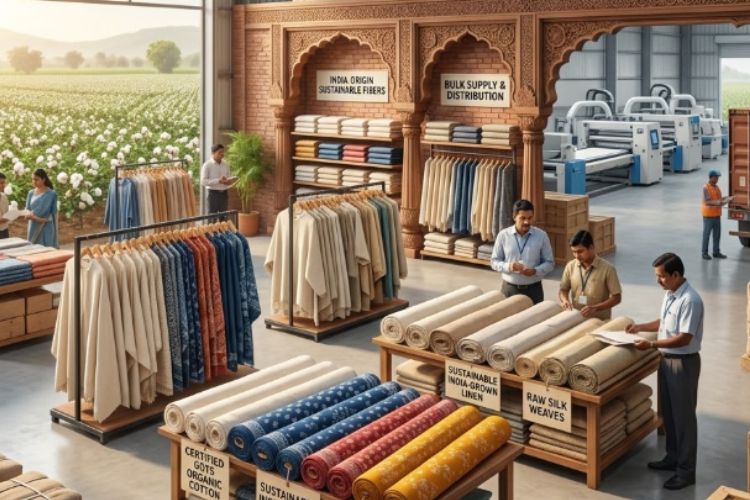
India’s textile industry is going through a remarkable transformation. Consumers are asking tougher questions about how fabrics are made, where raw materials come from, and what impact production has on the environment. As sustainability moves from a niche preference to a mainstream expectation, organic fabrics are becoming a major force in the market. The trends emerging in 2026 reveal an industry that is innovating faster than ever.
One of the biggest drivers behind this shift is the growing demand for transparency and eco-friendly production. Businesses, designers, and consumers are increasingly turning to Organic Fabric Suppliers in India for materials that align with modern sustainability goals. From organic cotton to innovative plant-based textiles, the market is expanding in exciting ways.
Also Read: Is it Easy to Come Up with Conventional Textile Designs
The Rise of Conscious Consumerism
Today’s buyers are more informed than previous generations. Before purchasing clothing, home furnishings, or lifestyle products, many consumers investigate the environmental footprint behind the fabric. This growing awareness is encouraging brands to adopt cleaner sourcing practices and invest in sustainable textile production.
According to the Textile Exchange, global demand for preferred and sustainable fibers continues to increase as brands commit to responsible sourcing initiatives. This trend is strongly influencing purchasing decisions across India as well.
Key Organic Fabric Trends Defining 2026
1. Organic Cotton Remains the Market Leader
Organic cotton continues to dominate the sustainable fabric landscape. Farmers are increasingly adopting cultivation methods that avoid synthetic pesticides and reduce soil degradation. Beyond environmental benefits, organic cotton offers excellent comfort, breathability, and durability, making it attractive for both fashion and home textiles.
2. Regenerative Agriculture Gains Momentum
A growing number of textile companies are looking beyond organic certification alone. Regenerative farming practices, which focus on improving soil health and biodiversity, are becoming part of sourcing strategies. This approach creates a more resilient agricultural ecosystem while supporting long-term cotton production.
3. Blended Sustainable Fabrics
Manufacturers are experimenting with blends that combine organic fibers with recycled materials. These fabrics offer enhanced performance while reducing environmental impact. Popular combinations include:
- Organic cotton with recycled polyester for sportswear.
- Organic cotton and hemp blends for durability.
- Bamboo-organic cotton fabrics for softness and moisture management.
Technology Is Reshaping Sustainable Textiles
One interesting development in 2026 is the integration of digital technologies throughout the supply chain. QR-code tracking, blockchain-based sourcing records, and advanced certification systems are helping brands prove authenticity.
Consumers increasingly expect visibility into the journey of their garments. According to research published by the World Economic Forum, supply chain transparency is becoming a critical factor in building trust and brand loyalty.
In the middle of this transformation, many Textile Suppliers in India are investing in traceability solutions that help buyers verify sustainable sourcing claims with greater confidence.
Emerging Eco-Friendly Fibers to Watch
While organic cotton remains dominant, several alternative fibers are attracting significant attention:
- Hemp Fabric: Requires less water and grows quickly.
- Bamboo Fiber: Known for comfort and versatility.
- Banana Fiber: Produced from agricultural waste and gaining popularity among sustainable fashion brands.
- Linen: A naturally durable and biodegradable textile with growing demand.
These materials support broader trends in sustainable fashion, eco-friendly textiles, and ethical sourcing practices.
What Buyers Are Prioritizing in 2026
Businesses sourcing organic fabrics are no longer focusing solely on price. Purchasing decisions increasingly consider long-term value and sustainability credentials.
- Verified organic certifications.
- Traceable supply chains.
- Low-impact dyeing and finishing processes.
- Ethical labor practices.
- Consistent product quality.
Interestingly, many international buyers now view sustainability as a competitive advantage rather than an additional cost. This mindset is creating new opportunities for Indian manufacturers that embrace responsible production methods.
Challenges Still Facing the Industry
Despite strong growth, the organic fabric sector faces several challenges. Certification costs can be significant for smaller producers. Supply chain complexity occasionally creates traceability issues, and fluctuating raw material availability can affect pricing.
However, industry experts generally agree that these obstacles are temporary growing pains rather than long-term barriers. Continued investment in infrastructure, education, and technology is expected to strengthen the sector over the coming years.
Frequently Asked Questions
What is the most popular organic fabric in India?
Organic cotton remains the most widely used organic fabric due to its versatility, comfort, and strong consumer demand across multiple industries.
Why are organic fabrics becoming more popular in 2026?
Growing environmental awareness, stricter sustainability goals, and consumer demand for transparent sourcing are driving increased adoption of organic fabrics.
Are organic fabrics more expensive than conventional textiles?
They may cost slightly more initially, but many buyers consider the environmental benefits, product quality, and long-term value worth the investment.
Which sustainable fibers are expected to grow fastest?
Hemp, bamboo, banana fiber, and regenerative organic cotton are among the fastest-growing sustainable textile categories in 2026.
Also Read: Organic Textile Export Trends in Punjab 2026
Final Thoughts
The future of organic fabrics in India looks exceptionally promising. As sustainability becomes a core business strategy rather than a marketing trend, innovation, transparency, and responsible sourcing will continue shaping the industry. Companies that adapt to these changing expectations today are likely to become tomorrow’s leaders in sustainable textiles.
Blog Development Credits
This article was planned, researched, and refined through advanced AI-assisted content development tools. Final editorial review, optimization, and SEO enhancement were completed by Square Corporation to ensure quality, relevance, and reader engagement.