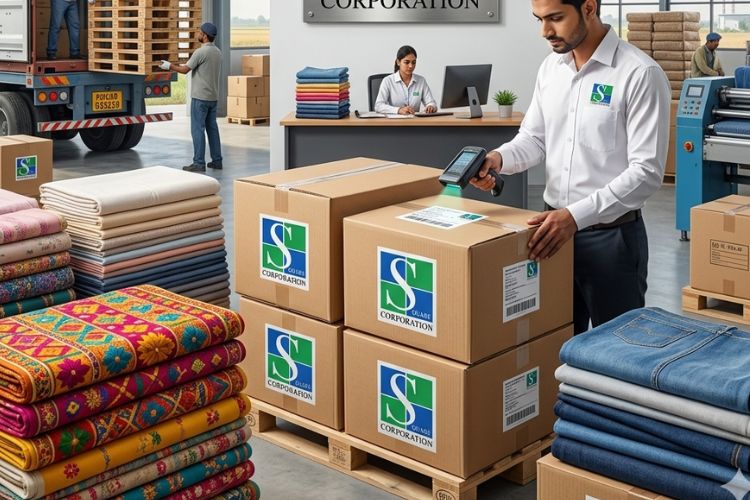
Punjab’s textile industry has always carried a certain rhythm—fast-moving factories, generations of fabric traders, and export businesses built almost entirely on trust. But 2026 feels different. Buyers across Europe, the Middle East, and North America are no longer asking only about pricing or production speed. They’re asking deeper questions about sustainability, sourcing ethics, and eco-friendly manufacturing practices.
That shift is creating fresh opportunities for every serious Textile Exporter Punjab businesses looking to adapt. Organic cotton, recycled yarns, sustainable dyeing methods, and transparent supply chains are quickly becoming essential rather than optional. Honestly, the market now rewards responsibility almost as much as quality.
Also Read: How to Ensure Your Fabric Colors Stay Bright and Lasting
Why Organic Textiles Are Gaining Momentum
Consumers today are far more informed than they were a decade ago. People increasingly want to know how fabrics are made, where materials come from, and whether manufacturing harms the environment. Social media, sustainability reports, and global climate discussions have pushed textile transparency into mainstream conversations.
According to the Textile Exchange, global demand for preferred sustainable fibers has continued rising steadily as fashion brands move toward environmentally responsible sourcing models. That demand is directly influencing export hubs like Punjab.
Interestingly, organic textiles are no longer limited to niche luxury labels. Even large retailers are integrating eco-friendly fabric collections into everyday fashion lines, home furnishings, and industrial textiles.
Major organic textile products seeing export demand:
- Organic cotton fabrics
- Recycled polyester blends
- Sustainable knitted textiles
- Eco-friendly home furnishing fabrics
- Low-impact dyed garments
In many ways, Punjab’s manufacturing ecosystem is well-positioned for this transition because the region already has deep expertise in spinning, weaving, dyeing, and large-scale textile production.
Sustainability Is Becoming a Competitive Advantage
A few years ago, sustainability mostly functioned as a branding tool. Now, it’s becoming a purchasing requirement. International buyers often request certifications, traceability reports, and environmentally conscious production details before finalizing contracts.
Factories adopting water-saving dyeing systems or energy-efficient machinery are gaining stronger export visibility. Some exporters are even integrating solar-powered production units to reduce operational emissions—a pretty significant shift for a traditionally energy-intensive industry.
According to the United Nations Environment Programme, the fashion and textile sector faces growing pressure worldwide to reduce water pollution and carbon emissions. Exporters that adapt early are likely to gain long-term commercial advantages.
Key trends shaping Punjab’s textile exports in 2026:
- Growing demand for traceable organic fibers
- Expansion of recycled fabric manufacturing
- Eco-certification becoming more important
- Rise of sustainable private-label production
- Higher investment in ethical supply chains
The interesting part? Buyers aren’t just looking for “green” marketing language anymore. They expect measurable sustainability practices backed by documentation and production transparency.
Technology Is Quietly Transforming Textile Manufacturing
Modern textile exports rely heavily on technology, even if customers never see it directly. Automated fabric inspection systems, digital printing techniques, and AI-assisted inventory planning are helping exporters reduce waste while improving consistency.
At the same time, businesses connected with Organic Fabric Suppliers in India are investing more in sustainable raw material sourcing. Recycled polyester, bamboo fabrics, and low-impact blended textiles are steadily entering mainstream export portfolios.
That evolution matters because international brands increasingly prefer suppliers capable of balancing sustainability with scalability. Small experimental production runs are helpful, of course, but buyers ultimately need dependable large-volume manufacturing.
Challenges Exporters Still Face
Despite the optimism, organic textile exports aren’t without complications. Sustainable manufacturing often involves higher certification costs, stricter quality controls, and longer sourcing timelines. For smaller businesses, adapting quickly can feel financially overwhelming.
There’s also the challenge of maintaining competitive pricing while using premium eco-friendly materials. Some exporters manage this balance successfully through process efficiency and long-term buyer relationships, but it certainly requires strategic planning.
Common hurdles in organic textile exports:
- Certification and compliance expenses
- Fluctuating raw material availability
- Pressure to meet faster delivery schedules
- International sustainability audit requirements
- Rising logistics and shipping costs
Still, many Punjab exporters appear willing to invest through these growing pains because the long-term market direction feels increasingly clear.
Punjab’s Position in the Future Textile Economy
Punjab’s textile sector has always adapted remarkably well to market changes. From traditional cotton production to modern technical textiles, the region has consistently evolved alongside global demand patterns.
Now, sustainability is becoming the next major transformation. Exporters who combine eco-conscious manufacturing with strong quality standards are likely to build stronger relationships with global brands over the coming years.
And perhaps that’s the real story here—not simply exporting fabrics, but exporting trust, accountability, and long-term reliability.
Frequently Asked Questions
What are organic textiles?
Organic textiles are fabrics produced using environmentally responsible materials and manufacturing methods, often involving organic cotton, recycled fibers, and reduced chemical processing.
Why is Punjab important for textile exports?
Punjab has a strong textile manufacturing infrastructure, skilled labor force, and long-standing expertise in spinning, weaving, dyeing, and garment production.
What sustainable fabrics are trending in 2026?
Organic cotton, recycled polyester, bamboo fabrics, and low-impact blended textiles are among the fastest-growing sustainable fabric categories in global exports.
How do buyers verify sustainable textile production?
International buyers often request certifications, factory audits, traceability reports, and sustainability compliance documents before approving suppliers.
Also Read: Sustainable Practices in Wool Yarn Manufacturing
Final Thoughts
Organic textile exports from Punjab are entering a fascinating phase where sustainability and profitability increasingly move together. As global markets continue prioritizing ethical sourcing and eco-friendly manufacturing, exporters willing to innovate thoughtfully may find themselves leading the industry rather than simply following trends.
Blog Development Credits
This blog was thoughtfully initiated by Square Corporation, developed with support from AI platforms including ChatGPT, Gemini, and Copilot, then refined further through SEO improvements and editorial optimization by Square Corporation.