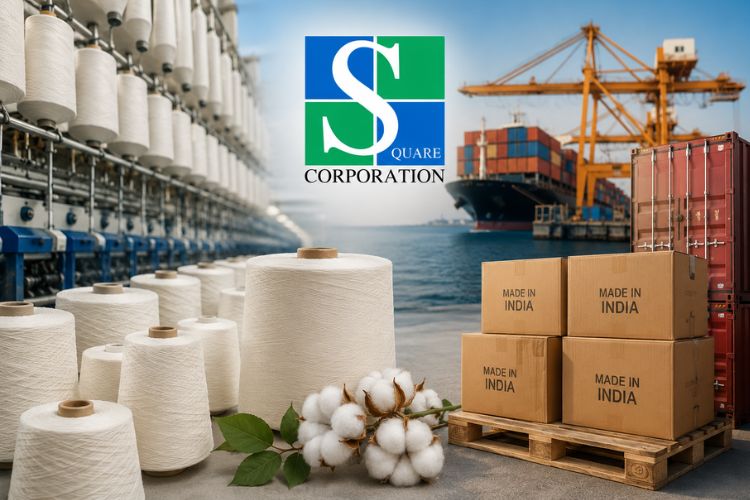
Every spool of cotton yarn shipped overseas has a story that begins long before it reaches a textile mill abroad. From sourcing premium cotton to clearing customs and managing international logistics, India’s export journey is a carefully coordinated process. Understanding this workflow helps buyers make informed decisions while highlighting why Indian yarn remains a trusted choice worldwide.
Businesses looking for reliable Cotton Yarn Export from India often focus on quality, consistency, and timely delivery. Fortunately, India’s well-established textile ecosystem combines experienced manufacturers, modern spinning mills, and export expertise, making the country one of the world’s preferred sourcing destinations for cotton yarn.
Also Read: Facing the Fabric Challenges Yarn Fabrication Encounter
Why India Leads the Cotton Yarn Export Market
India enjoys a natural advantage thanks to its large cotton-growing regions, advanced spinning infrastructure, and skilled workforce. According to the International Trade Centre (ITC), cotton yarn remains one of India’s significant textile export categories, serving buyers across Asia, Europe, Africa, and the Americas.
The country’s ability to produce multiple yarn counts and customized specifications makes it attractive for manufacturers producing garments, home textiles, denim, and industrial fabrics.
Understanding the Cotton Yarn Export Process
1. Cotton Procurement and Quality Inspection
The process begins with sourcing quality cotton from certified suppliers. Every batch undergoes testing for fiber length, strength, moisture, and contamination. Consistent raw material quality directly affects the finished yarn’s performance.
2. Spinning and Production
Modern spinning mills convert cotton fibers into yarn through cleaning, carding, combing, drawing, roving, and spinning. During production, automated monitoring systems help maintain uniform thickness and strength.
3. Laboratory Testing
Before export, yarn is tested for:
- Count accuracy and evenness
- Tensile strength
- Hairiness and imperfections
- Moisture content
This stage minimizes quality-related disputes once the shipment reaches international buyers.
4. Packing and Labeling
Export-grade packaging protects yarn against moisture, dust, and handling damage during long-distance transportation. Labels usually include batch numbers, yarn specifications, net weight, and destination details for easy traceability.
Documentation Required for Export
Documentation is often where first-time exporters need the most attention. Even a minor error may delay customs clearance. A standard export file generally includes:
- Commercial Invoice
- Packing List
- Bill of Lading or Airway Bill
- Certificate of Origin
- Export Declaration
- Insurance documents (when applicable)
- Letter of Credit or agreed payment documents
The Directorate General of Foreign Trade provides updated export regulations and procedural guidance for Indian exporters through its official portal: https://www.dgft.gov.in.
Logistics and International Shipping
Once documentation is complete, the shipment moves to ports or container freight stations. Depending on delivery schedules and customer requirements, exporters choose sea freight or air freight. Reliable freight partners also help track cargo throughout transit, reducing uncertainty for overseas buyers.
Experienced organizations such as Textile Exporter Ludhiana understand that efficient logistics can be just as valuable as manufacturing excellence. Timely communication, proper packaging, and shipment visibility often become deciding factors for repeat international business.
Key Factors International Buyers Should Evaluate
Choosing a supplier involves much more than comparing prices. Buyers should assess long-term reliability and production capability.
- Production capacity for bulk orders
- Quality certifications and testing standards
- Export experience across multiple countries
- Flexible yarn counts and custom specifications
- Strong logistics and customer support
These factors reduce operational risks while ensuring consistent deliveries throughout the year.
Growing Demand for Indian Cotton Yarn
Global demand for sustainable and dependable textile sourcing continues to grow. Industry reports from the International Cotton Advisory Committee and the International Trade Centre indicate that buyers increasingly value transparent supply chains, quality assurance, and dependable export partners. As a result, Indian spinning mills continue investing in automation, energy efficiency, and better quality management systems.
Related keywords such as Indian cotton yarn suppliers, cotton yarn manufacturers India, and bulk cotton yarn exporter also reflect the expanding global interest in sourcing from India.
Frequently Asked Questions
What documents are required for cotton yarn export from India?
Typical export documentation includes a commercial invoice, packing list, bill of lading, certificate of origin, export declaration, and payment-related documents depending on buyer requirements.
How is cotton yarn quality verified before export?
Manufacturers perform laboratory testing for yarn count, strength, evenness, moisture, and other physical properties before dispatching export consignments.
Which countries import cotton yarn from India?
Indian cotton yarn is exported to numerous countries across Asia, Europe, Africa, the Middle East, and the Americas, depending on textile manufacturing demand.
Why is India considered a reliable cotton yarn exporter?
India combines abundant cotton production, modern spinning technology, experienced exporters, and established logistics infrastructure, making it a dependable sourcing destination.
Also Read: Organic Cotton Producers for Global Textile Brands
Final Thoughts
The cotton yarn export process in India is much more than manufacturing and shipping. It is a carefully managed chain involving quality control, regulatory compliance, documentation, logistics, and customer service. Businesses that understand this process are better positioned to build dependable sourcing partnerships and achieve consistent results in competitive international textile markets.
Blog Development Credits
This article was planned, researched, and refined through advanced AI-assisted content development, followed by careful editorial review and SEO optimization by Square Corporation to ensure originality, clarity, and reader value.