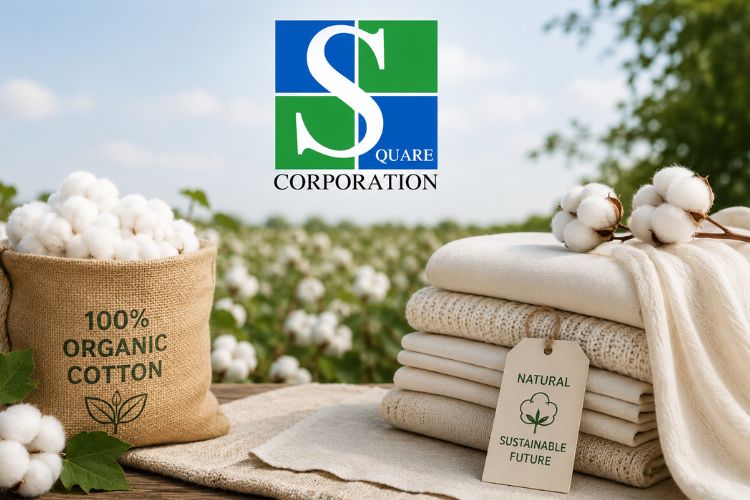
Every premium textile begins with a simple question: where did the cotton come from? As fashion brands embrace responsible manufacturing, sourcing decisions are no longer based on price alone. They now reflect quality, transparency, and environmental responsibility. That shift has made trusted Organic cotton producers an essential part of modern global supply chains.
Today’s buyers expect fabrics that feel exceptional while supporting ethical farming and cleaner production practices. From boutique apparel labels to international retail chains, businesses increasingly partner with certified organic cotton suppliers that can consistently deliver quality, traceability, and long-term reliability without compromising sustainability.
Also Read: Tips for Choosing the Right Cotton for Your Manufacturing Needs
Why Organic Cotton Matters More Than Ever
Organic cotton is cultivated without synthetic pesticides or genetically modified seeds, helping preserve soil fertility and biodiversity. Farmers also rely on natural farming techniques that encourage healthier ecosystems while reducing environmental impact.
According to the Textile Exchange, global demand for preferred fibers continues to rise as brands pursue measurable sustainability goals. Likewise, the Organic Cotton Accelerator highlights growing collaboration between farmers, manufacturers, and global brands to expand responsible cotton production.
What Global Textile Brands Look for in Organic Cotton Producers
Large textile buyers rarely choose suppliers based on price alone. Instead, they evaluate the complete sourcing ecosystem.
- Certified production: International certifications help verify farming and processing standards.
- Consistent fiber quality: Uniform staple length and strength improve spinning efficiency.
- Reliable supply capacity: Stable production reduces sourcing risks during seasonal demand.
- Traceable sourcing: Documentation builds confidence throughout the textile supply chain.
Strong partnerships often last for years because dependable suppliers become strategic business partners rather than simple vendors.
Beyond Cotton: Building a Responsible Textile Supply Chain
Organic fiber is only one piece of the sustainability puzzle. After harvesting comes spinning, weaving, dyeing, finishing, and garment production. Each stage influences the final product’s environmental footprint.
This is where experienced Fabric exporters in india create additional value. Their ability to combine premium organic materials with efficient manufacturing and international quality standards allows fashion brands to maintain consistency across multiple product collections.
Characteristics of Reliable Textile Partners
- Transparent documentation throughout production.
- Advanced quality inspection before shipment.
- Flexible manufacturing for changing market trends.
- Timely export logistics and responsive communication.
How Sustainability Creates Business Value
Consumers increasingly reward brands that demonstrate genuine environmental responsibility. Sustainable sourcing is no longer viewed as a marketing trend—it has become a competitive advantage.
Working with experienced organic textile manufacturers helps businesses:
- Strengthen customer trust through responsible sourcing.
- Reduce long-term supply chain risks.
- Support global environmental commitments.
- Improve product differentiation in competitive markets.
Many apparel companies now integrate sustainable sourcing directly into their brand identity, making supplier selection one of the most important strategic decisions they make.
Choosing the Right Organic Cotton Supplier
Selecting the right supplier requires careful evaluation beyond certificates and pricing. Long-term success depends on communication, technical expertise, production capabilities, and a shared commitment to continuous improvement.
Experienced buyers often consider these practical factors:
- Production scalability for future growth.
- Compliance with international textile standards.
- Strong export experience across multiple countries.
- Consistent product quality across every shipment.
Ultimately, successful sourcing relationships are built on transparency, reliability, and mutual business growth rather than short-term cost savings.
Frequently Asked Questions
What makes organic cotton different from conventional cotton?
Organic cotton is grown without synthetic pesticides, chemical fertilizers, or genetically modified seeds, making farming practices more environmentally responsible.
Why do international brands prefer certified organic cotton producers?
Certification helps verify responsible farming practices, traceability, and compliance with internationally recognized sustainability standards.
Can organic cotton maintain premium fabric quality?
Yes. When processed correctly, organic cotton delivers excellent softness, durability, breathability, and comfort suitable for premium textile products.
Why is supply chain transparency important?
Transparent sourcing enables brands to demonstrate responsible manufacturing, strengthen customer confidence, and meet growing sustainability expectations worldwide.
Also Read: Organic Fabric Trends in India 2026
Final Thoughts
The future of global textiles belongs to businesses that balance quality with responsibility. Trusted organic cotton producers provide far more than raw materials—they help brands build sustainable products, stronger reputations, and resilient supply chains for years to come.
Blog Development Credits
This article was thoughtfully developed by Square Corporation, supported by research and insights generated with AI platforms including ChatGPT, Google Gemini, and Microsoft Copilot, then carefully refined, edited, and SEO-enhanced by Square Corporation.