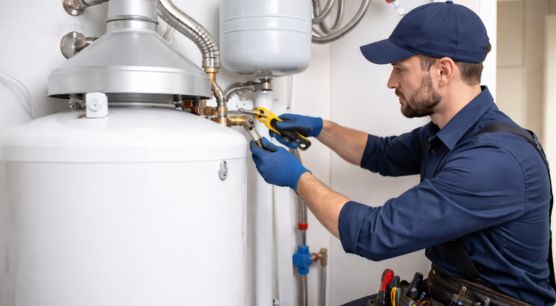
Most homeowners don’t think about their water heater until the morning shower turns icy. That sudden shock often raises a bigger question: why now? Water heaters quietly work behind the scenes every day, and when something goes wrong, it’s rarely random. Understanding the real reasons behind breakdowns can help you act faster—and smarter—before minor issues become costly disasters.
In many homes, professional Water Heater Repair becomes necessary not because the system is old, but because warning signs were easy to miss. Let’s break down the most common reasons homeowners eventually find themselves calling for help.
Everyday Wear and Tear Adds Up
A water heater isn’t a “set it and forget it” appliance. It heats, stores, and reheats water multiple times a day. Over months and years, that constant cycle puts stress on internal components like heating elements, thermostats, and valves.
According to energy efficiency research shared by the U.S. Department of Energy, residential water heaters typically last 8–12 years depending on usage and maintenance (energy.gov). Heavy daily demand can shorten that lifespan considerably.
Also Read: Essential Home Maintenance Tips You Should Know
Sediment Buildup Inside the Tank
One of the most underestimated problems is sediment accumulation. Minerals in water settle at the bottom of the tank over time. This layer acts like insulation—forcing the heater to work harder and longer to heat the water.
- Reduced heating efficiency
- Popping or rumbling noises
- Higher energy bills
Left unchecked, sediment can overheat the tank base, damage internal components, and lead to premature failure.
Ignoring Small Leaks and Moisture
A small puddle near the heater often gets dismissed as condensation or “nothing serious.” In reality, even minor leaks signal corrosion, loose fittings, or pressure issues. Moisture slowly weakens the tank walls, making sudden leaks or bursts more likely.
Homeowners dealing with plumbing upgrades—like bathroom remodeling or Bathtub Repair Near Me—often discover hidden heater leaks during inspections.
Faulty Thermostats and Heating Elements
If your water temperature fluctuates unpredictably, the thermostat or heating element could be failing. These parts regulate heat levels, and when they malfunction, the system may overheat, underheat, or shut down entirely.
- Water suddenly runs cold mid-shower
- Scalding hot water without adjustment
- Breaker trips repeatedly
These issues are common in electric and gas heaters alike and usually require professional diagnosis.
Pressure Valve Problems
The temperature and pressure relief valve is a critical safety feature. It releases excess pressure to prevent tank explosions. When it sticks or fails, pressure builds silently.
This is one of those issues homeowners rarely notice—until it’s serious. Regular inspections dramatically reduce the risk of catastrophic failure.
Lack of Routine Maintenance
Many homeowners schedule HVAC servicing but forget about their water heater. Ironically, both systems face similar stress in hot climates. Just as people rely on Emergency AC Service during peak summer heat, water heaters deserve the same preventative attention.
Annual flushing, anode rod checks, and pressure valve testing can extend system life significantly.
Outdated or Incorrect Installation
Improper installation can quietly sabotage a heater from day one. Incorrect venting, poor pipe connections, or mismatched tank size force the system to overwork. Over time, this leads to frequent repairs and inconsistent performance.
Homeowners upgrading to tankless water heaters or energy-efficient models often uncover installation flaws from older systems.
Warning Signs You Shouldn’t Ignore
- Rust-colored water
- Unusual noises from the tank
- Water taking longer to heat
- Rising utility bills
Catching these early often turns a major replacement into a simple repair.
Frequently Asked Questions
How often should a water heater be serviced?
Most experts recommend servicing once a year to remove sediment, inspect safety valves, and test heating elements.
Is repairing better than replacing a water heater?
If the unit is under 10 years old and the tank itself is intact, repair is usually the more cost-effective option.
Why does my water smell strange?
A sulfur-like odor often indicates bacteria reacting with sediment or a failing anode rod inside the tank.
Can high water pressure damage my heater?
Yes. Excess pressure strains valves and seals, increasing the risk of leaks and internal damage.
Final Thoughts
Water heaters rarely fail without warning—they whisper before they scream. Paying attention to small changes, scheduling routine maintenance, and acting early can save money, stress, and a lot of cold showers. When in doubt, professional inspection is always the safer choice.
Also Read: Emergency AC Service vs Regular Repairs: Key Differences
Blog Development Credits
This blog was a team effort fueled by smart ideas. Ghumman Star Technical Services picked the topic. Most content was crafted using tools like ChatGPT and Google Gemini.