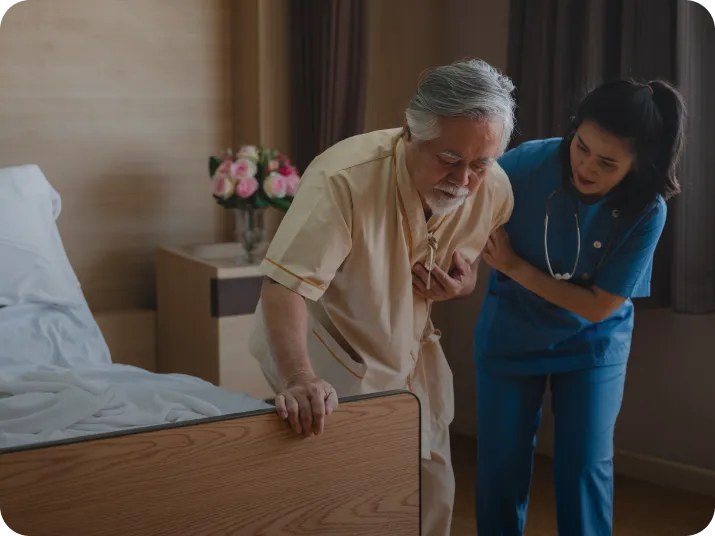
If you live in Santa Clara and have aging parents, you already know this uneasy truth: caring isn’t the hardest part-coordinating care is. Between doctors, medications, schedules, and family opinions, even the most organized households feel overwhelmed. The modern elder care landscape is complex, fragmented, and often unforgiving to families who are simply trying to do their best.
This is why many families quietly turn to an elder care concierge early on-not because they’ve failed, but because care today requires orchestration, not just good intentions.
Why Care Coordination Breaks Down So Easily?
Care coordination sounds straightforward until you’re living it. One specialist doesn’t talk to another. Prescriptions overlap. Appointments conflict with work schedules. And somewhere in the middle, the older adult feels confused or unheard.
According to the U.S. Agency for Healthcare Research and Quality, poor care coordination is one of the leading causes of medical errors and avoidable hospitalizations among seniors (ahrq.gov). The issue isn’t lack of care—it’s lack of connection.
The Santa Clara Reality: High-Tech City, Fragmented Care
Santa Clara is known for innovation, yet aging care here often feels outdated. Seniors may see multiple providers across different health systems, while adult children juggle demanding careers in tech, healthcare, or education. Coordination becomes a second job—unpaid and emotionally draining.
The Hidden Burden on Families
Care coordination doesn’t show up on calendars neatly. It sneaks into lunch breaks, late-night phone calls, and tense family conversations. Many caregivers don’t even realize how much they’re carrying until burnout hits.
- Emotional strain: Making medical decisions without clear guidance can feel terrifying.
- Time pressure: Managing appointments, insurance, and home care often equals 20+ unpaid hours a week.
- Family conflict: Siblings may disagree on care choices, finances, or living arrangements.
A study from the National Alliance for Caregiving notes that over 60% of family caregivers report high emotional stress (caregiving.org). Coordination—not caregiving itself—is often cited as the most exhausting part.
Where Care Coordination Usually Fails?
Most families assume coordination will “sort itself out.” Unfortunately, that rarely happens. Common breakdown points include:
- Discharge from hospitals with unclear follow-up plans
- Medication changes that aren’t communicated across providers
- Gaps between medical care and daily living support
This is where a senior care concierge becomes invaluable-not as a luxury, but as a practical solution. Think of it as a central brain for care decisions, logistics, and communication.
Why One Point of Coordination Changes Everything?
Care works best when someone sees the whole picture. A coordinated approach aligns medical care, home safety, transportation, nutrition, and family communication into one cohesive plan.
- Doctors stay informed and aligned
- Care plans adapt as health changes
- Families regain time and peace of mind
In a city like Santa Clara-where families value efficiency, transparency, and results—this model resonates deeply.
FAQs About Care Coordination for Aging Families
1. What does care coordination actually involve?
It includes managing medical appointments, medications, home care services, transitions between care settings, and clear communication among providers and family members.
2. Why is care coordination harder for seniors?
Older adults often see multiple specialists and manage chronic conditions, increasing the risk of miscommunication and fragmented care.
3. Can families handle care coordination alone?
Some can, but many experience burnout. Professional coordination reduces stress and prevents costly mistakes.
4. Is care coordination only for medical needs?
No. It also covers daily living support, transportation, safety planning, and long-term care decisions.
Final Thoughts
Care coordination is the quiet challenge no one warns families about. In Santa Clara, where time is precious and systems are complex, having a clear, centralized approach can mean the difference between constant crisis management and confident, compassionate care.
Full Audio: Listen Here