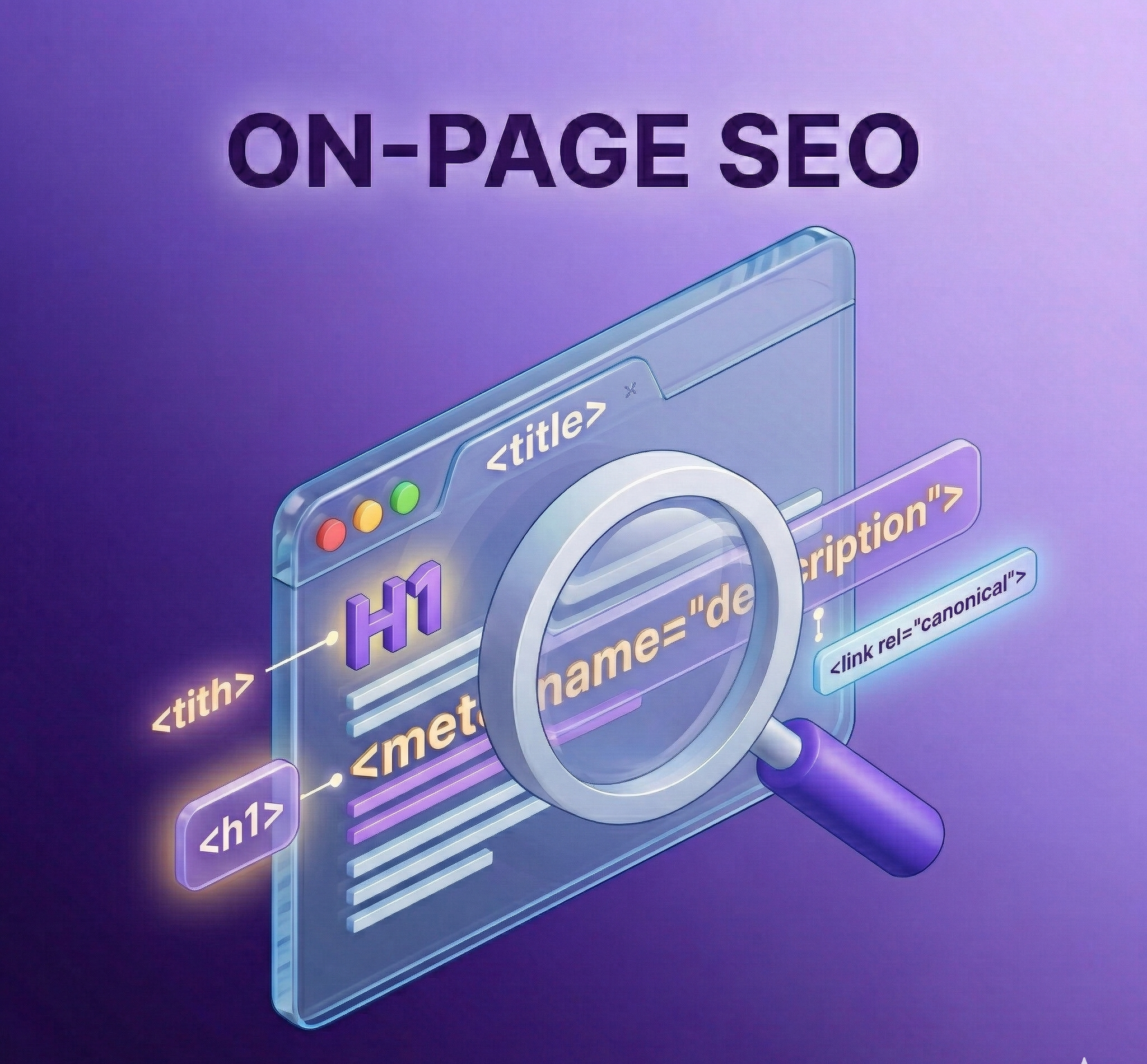
Search is no longer just a channel—it’s becoming an intelligent layer that sits between users and information. And honestly, that changes everything. Brands can’t rely on outdated SEO stacks built for keywords and rankings alone. The shift toward AI-first search architecture means one thing: if your system isn’t built for understanding, it won’t be built for visibility either.
That’s why businesses working with an experienced SEO Consultant in Vadodara are rethinking their entire approach. They’re not just optimizing pages—they’re redesigning how content, data, and user experience come together. And that’s where the real transformation begins.
What Is AI-First Search Architecture?
AI-first search architecture refers to structuring your website, content, and data in a way that aligns with how AI systems interpret and deliver information. It’s less about indexing pages and more about enabling machines to understand context, relationships, and intent.
In simpler terms, it’s the difference between building a library and building a smart assistant that knows exactly which book to recommend—and why.
According to NIST, modern AI systems rely heavily on structured data, semantic relationships, and contextual signals to determine relevance. That’s exactly what AI-first architecture is designed to support.
Why Traditional SEO Stacks Are Breaking
Let’s be honest—most enterprise SEO stacks were built for a different era. They focus on crawling, indexing, and ranking, but they often overlook how content is interpreted.
Key Limitations of Legacy SEO Systems
- Keyword dependency: Over-reliance on exact-match phrases.
- Siloed content: Pages exist independently, not as part of a system.
- Limited context: Lack of semantic depth and relationships.
In an AI-driven environment, these limitations become bottlenecks. Content may rank—but it won’t necessarily be chosen.
Core Components of an AI-First SEO Stack
Rebuilding your SEO stack doesn’t mean starting from scratch—it means upgrading the foundation. Think of it as moving from a static system to a dynamic ecosystem.
1. Semantic Content Layer
- Topic clusters: Organize content around themes, not keywords.
- Entity-based SEO: Focus on people, places, and concepts.
- Contextual linking: Connect related ideas naturally.
This layer ensures your content is understood, not just indexed.
2. Data and Structure Layer
- Structured data markup: Help AI interpret your content.
- Clean architecture: Logical navigation and hierarchy.
- Content formatting: Use headings, lists, and FAQs effectively.
AI engines thrive on clarity. The more structured your content, the easier it is to extract value from it.
3. Experience and Interaction Layer
- Fast loading speeds: Performance still matters.
- Mobile-first design: Most interactions happen on mobile.
- User engagement: Time on page and interaction signals.
Interestingly, user experience is no longer just a ranking factor—it’s a relevance signal.
How Brands Should Rebuild Their SEO Strategy
At this point, many organizations are turning to experts offering SEO Packages In India to modernize their approach. Because rebuilding an SEO stack isn’t just technical—it’s strategic.
Step-by-Step Transformation Plan
- Audit Existing Infrastructure: Identify gaps in content, structure, and UX.
- Redesign Content Systems: Build interconnected topic clusters.
- Implement AI-Friendly Data: Use schema and structured formats.
- Measure AI Visibility: Track how often content appears in AI summaries.
It’s not about quick wins—it’s about long-term adaptability.
Common Mistakes to Avoid
Even experienced teams can struggle during this transition. A few patterns tend to repeat:
- Over-automation: Relying too much on AI-generated content.
- Ignoring human intent: Forgetting that real users still drive engagement.
- Fragmented execution: Lack of alignment between teams.
The truth is, AI-first architecture works best when technology and human insight work together.
FAQs
1. What is AI-first search architecture?
It’s a system designed to help AI engines understand, interpret, and deliver your content effectively based on context and user intent.
2. Do I need to replace my entire SEO stack?
Not necessarily. You can upgrade your existing system by adding semantic, structural, and UX-focused improvements.
3. How does AI-first SEO improve visibility?
It increases the chances of your content being selected and summarized by AI systems, not just ranked in search results.
4. Is traditional SEO still relevant?
Yes, but it needs to evolve. Technical SEO and backlinks still matter, but they must support AI-driven strategies.
Final Thoughts
The shift to AI-first search architecture isn’t optional—it’s inevitable. Brands that embrace this evolution will move beyond rankings and into real relevance. Because in a world where AI decides what users see, the real goal isn’t just to be found—it’s to be understood.
This article was originally envisioned by Amlan Maiti, crafted using insights from AI tools like ChatGPT, Gemini, and Copilot, and refined with optimization expertise from Digital Piloto.