If you’ve ever admired a car that seems to shine endlessly—even after weeks of city driving—you’ve probably wondered what keeps the paint looking so fresh. Ceramic coating has become a popular solution among car owners who want long-term paint protection. But one question comes up repeatedly: how long does it actually last?
For drivers considering Ceramic Coating in Kolkata, understanding durability is essential before making the investment. The truth is that ceramic coatings can last several years—but their lifespan depends on factors like installation quality, maintenance habits, and environmental conditions. Let’s explore what really determines how long that glossy shield stays effective.
What Is Ceramic Coating and Why Is It Popular?
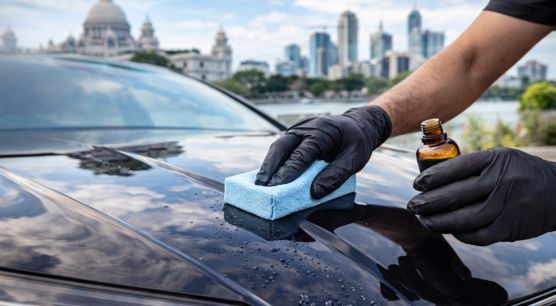
Ceramic coating is a liquid polymer applied to a vehicle’s exterior. Once cured, it forms a semi-permanent protective layer over the paint. This layer bonds chemically with the surface, creating a hydrophobic barrier that repels water, dirt, and contaminants.
Unlike traditional wax or sealants that wear off quickly, ceramic coatings are designed for long-term durability. According to research on protective coatings explained by the National Institute of Standards and Technology, advanced nano-coating technologies can significantly improve resistance to environmental wear and chemical exposure.
For car owners in Kolkata, this protection is especially valuable because vehicles constantly face dust, humidity, pollution, and intense sunlight.
Also Read: The Right Application Method for Car Protection
Average Lifespan of Ceramic Coating
Most professionally applied ceramic coatings last between 2 to 5 years. However, some premium coatings may last even longer when maintained properly. The longevity largely depends on the type of coating and how well the car is cared for afterward.
Typical Lifespan by Coating Type
- Entry-level coatings: Around 1–2 years of protection.
- Professional-grade coatings: Usually 3–5 years.
- High-end nano ceramic coatings: Up to 7 years with proper maintenance.
While the coating itself may still exist after these periods, its hydrophobic properties and gloss may gradually decrease over time.
Factors That Affect Ceramic Coating Longevity
Not all ceramic coatings age the same way. A car parked in a shaded garage will experience far less environmental stress than one parked outdoors daily. Several key factors influence how long the coating continues to perform.
1. Installation Quality
Professional installation plays a huge role in durability. Proper paint correction and surface preparation allow the coating to bond effectively. Skipping these steps can reduce the lifespan dramatically.
2. Environmental Conditions
Kolkata’s climate can be challenging for car paint. High humidity, dust, bird droppings, and industrial pollutants gradually wear down protective layers.
According to environmental studies by the U.S. Environmental Protection Agency, airborne pollutants can accelerate surface degradation on exposed materials—including automotive finishes.
3. Maintenance Habits
Even the best coating won’t last long without proper care. Gentle washing and regular maintenance help maintain its protective qualities.
Simple Habits That Extend Coating Life
Think of ceramic coating like sunscreen for your car—it protects well, but works best when you care for it properly. Following a few maintenance practices can extend its lifespan significantly.
- Use pH-neutral car shampoos during washing.
- Avoid automatic car washes with harsh brushes.
- Remove bird droppings or tree sap quickly.
- Apply periodic maintenance sprays recommended by detailers.
These simple habits help maintain the coating’s hydrophobic properties and keep the paint glossy for years.
Ceramic Coating vs Other Paint Protection Options
Many car owners compare ceramic coating with traditional wax or paint protection film (PPF). Each option has its benefits, but their longevity varies significantly.
- Car Wax: Typically lasts 2–3 months.
- Paint Sealant: Usually lasts 6–12 months.
- Ceramic Coating: Lasts multiple years with proper care.
While wax provides temporary shine, ceramic coatings offer long-term paint protection and improved resistance to contaminants.
Signs Your Ceramic Coating Is Wearing Off
Even durable coatings eventually begin to lose their effectiveness. Recognizing the early signs helps determine when a maintenance treatment or reapplication may be needed.
- Water stops beading on the surface.
- The glossy finish appears dull.
- Dirt sticks more easily to the paint.
- Washing the car becomes more difficult.
If you notice these changes, a professional inspection may reveal whether the coating simply needs maintenance or complete reapplication.
Frequently Asked Questions
How long does ceramic coating typically last on a car?
Most professionally installed ceramic coatings last between two and five years depending on maintenance, environmental exposure, and product quality.
Does ceramic coating prevent scratches?
Ceramic coating offers some resistance to light swirl marks but does not completely prevent scratches or rock chips. It primarily protects against contaminants and UV damage.
Is ceramic coating worth it for city driving?
Yes, especially in busy cities where pollution and dust are constant threats. The coating helps protect paint from environmental contaminants while making cleaning easier.
Can ceramic coating be reapplied?
Yes. When the coating eventually wears out, professional detailers can perform surface preparation and apply a fresh ceramic layer.
Final Thoughts
Ceramic coating is one of the most effective ways to preserve your car’s paint and shine. While its lifespan varies depending on environment and maintenance, a professionally applied coating can protect your vehicle for several years. With proper care and occasional maintenance, that glossy showroom finish can last far longer than traditional wax treatments.
Also Read: Ceramic Coating in Kolkata vs Waxing: What’s Better?
Blog Development Credits
This blog was a team effort fueled by smart ideas. Prime Car Care picked the topic. Most content was crafted using tools like ChatGPT and Google Gemini.