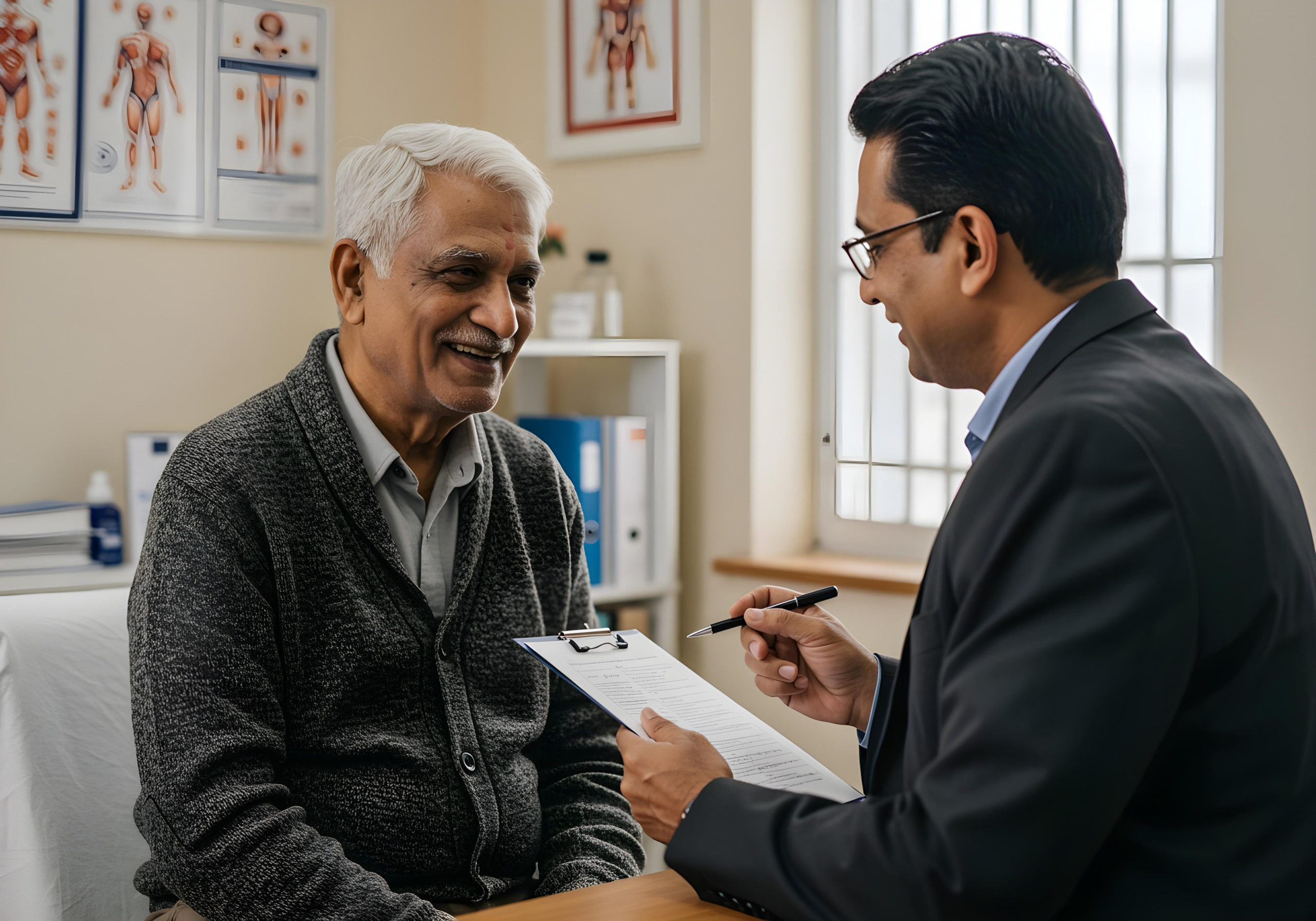
Growing older is not a uniform journey. Two seniors of the same age can have vastly different health needs, emotional triggers, and daily routines. In a city like Kolkata—where tradition, family bonds, and fast-changing lifestyles intersect—this reality becomes even more pronounced. That’s exactly why personalized geriatric care plans are no longer a luxury, but a necessity.
Families seeking the best geriatric care in Kolkata are increasingly realizing that cookie-cutter solutions often fall short. What works for one parent may quietly fail another—and the consequences can be physical, emotional, and financial.
The Problem with “Standard” Senior Care
Standardized care models often assume that aging follows a predictable script. In reality, senior health is shaped by a lifetime of habits, genetics, environment, and social connections. In Kolkata, for instance, one elderly person may thrive in a joint family setup, while another may feel overwhelmed and anxious in the same environment.
According to the World Health Organization, older adults frequently live with multiple chronic conditions, making generalized care plans ineffective and sometimes risky (WHO.org). When care ignores individual context, it often treats symptoms—but misses the person.
What Makes a Geriatric Care Plan Truly Personal?
A personalized geriatric care plan is not just a medical checklist. It’s a living, evolving framework that adapts as the senior’s needs change. The best plans consider health, yes—but also emotions, routines, and personal preferences.
Key elements usually include:
- Medical history & medication mapping: Especially crucial when seniors consult multiple specialists.
- Functional ability assessments: Mobility, balance, vision, and hearing are reviewed in daily-life contexts.
- Emotional and cognitive health: Early signs of depression or memory decline are often subtle but critical.
This holistic approach is what differentiates a basic service from a well-rounded geriatric medicine service in Kolkata that genuinely supports long-term wellbeing.
Kolkata’s Unique Aging Challenges
Kolkata’s seniors often face a blend of old and new challenges. Adult children may live abroad, traditional support systems are evolving, and lifestyle-related conditions like diabetes or hypertension are increasingly common. The Government of India notes that nearly 75% of elderly Indians suffer from at least one chronic illness (nhp.gov.in).
In such a context, personalized senior healthcare becomes less about clinical efficiency and more about dignity, continuity, and trust.
Why One Size Truly Doesn’t Fit All?
Let’s consider a simple example. Two 72-year-olds, both diabetic. One is active, socially engaged, and disciplined with diet. The other struggles with loneliness and irregular eating habits. Treating both with identical care protocols might look efficient on paper—but in practice, outcomes will differ drastically.
Personalized care plans help by:
- Reducing unnecessary hospital visits through preventive monitoring
- Improving medication adherence by aligning with daily routines
- Enhancing emotional wellbeing through tailored social and mental support
Research from the U.S. National Institute on Aging shows that individualized care significantly improves quality of life and functional independence in seniors (nia.nih.gov). The principle holds true regardless of geography—including Kolkata.
How Families Benefit from Personalized Geriatric Care?
Care plans don’t just support seniors—they bring clarity to families. When roles, responsibilities, and expectations are clearly defined, anxiety reduces. Families feel informed, not reactive. And seniors feel respected, not managed.
- Clear communication between doctors, caregivers, and family
- Timely adjustments as health conditions evolve
- Peace of mind for families living outside Kolkata
Frequently Asked Questions
1. What is a personalized geriatric care plan?
A personalized geriatric care plan is a customized roadmap that addresses a senior’s medical, emotional, and lifestyle needs, adapting over time as conditions change.
2. Is personalized care more expensive?
Not necessarily. While it may seem premium, personalized care often reduces long-term costs by preventing complications and unnecessary hospitalizations.
3. Who should consider geriatric care services in Kolkata?
Any senior with chronic conditions, mobility concerns, cognitive changes, or limited family support can benefit from structured geriatric care.
4. How often should care plans be updated?
Ideally, care plans should be reviewed every 6–12 months or immediately after any major health event.
Final Thoughts
Aging is deeply personal. Treating it otherwise does a disservice to those who deserve care rooted in empathy, not templates. In Kolkata’s evolving social landscape, personalized geriatric care plans are not just smarter—they’re kinder.
Full Audio: Listen Here