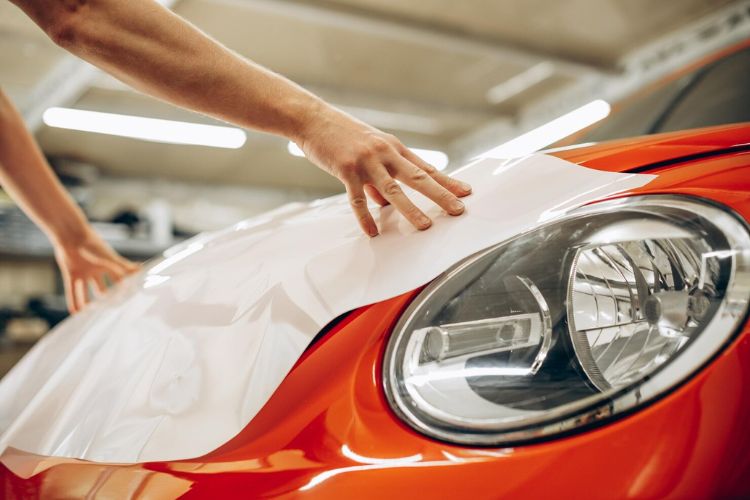
Indian roads are honest—they don’t pretend to be gentle. From flying gravel on highways to tight city parking and relentless sun, your car’s paint faces a daily battle. That’s exactly why more owners are now exploring smarter ways to preserve their vehicle’s finish. One solution quietly leading this shift is Paint protection Film in India, a technology that blends science, practicality, and long-term value.
What Exactly Is Paint Protection Film?
Paint Protection Film, often called PPF, is a transparent, ultra-thin polyurethane layer applied over a car’s painted surfaces. Think of it as a sacrificial skin—it absorbs scratches, stone chips, and environmental damage so your original paint doesn’t have to. Unlike traditional coatings, PPF doesn’t just enhance shine; it physically shields the surface.
Modern films are self-healing too. Minor swirl marks disappear with heat from sunlight or warm water. It sounds futuristic, but it’s very real—and increasingly common across Indian cities.
Also Read: Ultimate Guide to Protecting Your Car with PPF
Why PPF Is Gaining Momentum in India
The growing demand for car paint protection film in India isn’t hype-driven; it’s situational. Indian driving conditions are uniquely harsh, and owners are keeping cars longer than before.
- Road conditions: Loose gravel, construction debris, and uneven tarmac increase paint damage risks.
- Climate extremes: UV radiation, acid rain, and coastal humidity slowly degrade clear coats.
- Rising car prices: With vehicles becoming costlier, resale value matters more than ever.
According to data published by the U.S. Department of Energy (energy.gov), UV exposure is one of the leading causes of automotive paint degradation globally—a factor especially relevant in sun-heavy regions like India.
PPF vs Ceramic Coating: A Practical Comparison
This is where many buyers pause. Ceramic coating and PPF aren’t enemies—they solve different problems.
- Ceramic coating: Enhances gloss, adds hydrophobic properties, and protects against chemical stains.
- PPF: Physically prevents scratches, chips, and abrasions.
If you park outdoors, drive daily, or frequently travel highways, PPF offers a level of impact resistance that coatings simply can’t match. Many enthusiasts even combine both—PPF on high-impact zones and ceramic coating elsewhere.
Where Most Owners Choose to Apply PPF
Not every car needs full-body coverage. In fact, strategic application often delivers the best value.
- Front bumper and bonnet
- Side mirrors and door edges
- Headlights and fenders
Midway through your research, you’ll probably search for PPF installation near me. That’s a smart move. Installation quality matters as much as the film itself. A poorly installed PPF can peel or trap dust, defeating its purpose.
Cost, Longevity, and Real-World Value
PPF pricing in India varies depending on film quality, coverage area, and installer expertise. While it may feel premium upfront, the math works out over time. Repainting panels, correcting scratches, or losing resale value often costs more.
Most high-grade films last 5–7 years with proper care. As per automotive protection insights shared by organizations like the International Carwash Association (carwash.org), protected paint surfaces also reduce long-term maintenance costs.
Choosing the Right Installer Matters
PPF is not a DIY experiment. Precision cutting, surface preparation, and post-install curing define the outcome. Brands like Intakt PPF focus on trained technicians and premium-grade films designed for Indian conditions, which makes a noticeable difference over time.
Frequently Asked Questions
Is Paint Protection Film legal in India?
Yes. Transparent PPF is legal since it does not alter the vehicle’s color or violate RTO visibility rules.
Will PPF damage my car’s original paint?
No. When professionally installed and removed, PPF actually preserves the factory paint underneath.
Does PPF turn yellow over time?
High-quality films are UV-resistant and designed to remain clear for years, even in Indian climates.
Can PPF be washed like normal paint?
Absolutely. Regular washing is safe, though harsh abrasives should be avoided.
Final Thoughts
Paint Protection Film in India isn’t just for luxury cars anymore—it’s for anyone who values longevity, aesthetics, and smart ownership. On roads that test your car every single day, invisible protection often makes the loudest difference.
Blog Development Credits:
This article was shaped through a collaborative effort. The original idea was conceptualized by Supratim Sinha, with content development supported by advanced AI tools such as ChatGPT and Google Gemini. The Intakt PPF team refined the final version to enhance clarity, SEO performance, and overall reader engagement.