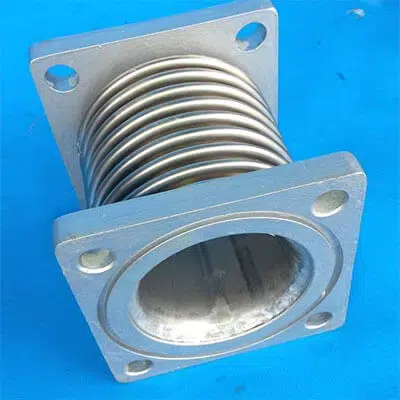
High-temperature industrial systems are unforgiving. A minor oversight in design can quietly snowball into downtime, safety risks, or expensive repairs. One often-underestimated component that keeps these systems breathing properly is the exhaust pipe bellow. It doesn’t look dramatic, but its role is anything but small—especially in India’s heat-intensive industrial landscape.
In factories, power plants, marine engines, and diesel generator setups, exhaust pipe bellows act like flexible shock absorbers. They allow hot exhaust systems to expand, contract, and move without tearing themselves apart. Ignore them, and the consequences tend to show up fast.
Understanding the Heat Challenge in Indian Industries
From steel plants in Odisha to thermal power stations in Maharashtra, Indian industries routinely operate equipment at exhaust temperatures exceeding 600°C. Add fluctuating load conditions, monsoon humidity, and continuous operation cycles, and you have a recipe for severe thermal stress.
Metals expand when heated—it’s basic physics. According to materials research shared by the National Institute of Standards and Technology (NIST), even a few millimetres of uncontrolled thermal expansion can introduce damaging stress in rigid piping systems. In real-world terms, that stress often shows up as cracked pipes, leaking joints, or misaligned exhaust lines.
What Exhaust Pipe Bellows Actually Do?
At a glance, exhaust bellows look like corrugated metal sleeves. But their engineering purpose is surprisingly nuanced. They are designed to flex in controlled ways while maintaining a sealed exhaust path.
Core functions you shouldn’t overlook
- Thermal expansion control: They absorb axial, lateral, and angular movements caused by heat.
- Vibration isolation: Engine vibrations are prevented from transferring into rigid piping.
- Noise reduction: Flexible sections help dampen exhaust noise in high-speed systems.
In diesel engines and turbines, this flexibility often becomes the difference between smooth operation and repeated shutdowns.
Why Rigid Exhaust Systems Fail Under Heat?
Many plant managers learn this lesson the hard way. A rigid exhaust line may look robust, but under continuous thermal cycling, it behaves like a stressed spring with nowhere to release energy.
Common failure patterns include:
- Weld cracks forming near engine outlets
- Flange bolt loosening due to repeated expansion
- Premature failure of silencers and turbo housings
This is precisely where exhaust pipe bellows expansion joints step in as a practical safeguard rather than an optional add-on.
High-Temperature Applications Where Bellows Are Critical
In the Indian context, exhaust pipe bellows are especially vital in:
- Diesel generator exhaust systems used in hospitals, data centres, and infrastructure projects
- Marine engines operating under variable loads and saline environments
- Process industries like cement, steel, and petrochemicals
A study referenced by the U.S. Department of Energy highlights that flexible exhaust components can reduce mechanical stress-related failures by over 30% in high-temperature systems. While operating conditions differ, the principle applies universally.
Material Matters More Than Most Realise
Not all bellows are created equal. In India, where operating temperatures, dust levels, and run-hours are high, material selection becomes crucial.
Stainless steel exhaust bellows—especially grades designed for heat resistance—are commonly preferred. Their corrosion resistance and fatigue life make them suitable for long-term industrial use, particularly in continuous-duty exhaust systems.
Long-Term Cost Benefits Often Overlooked
There’s a common misconception that bellows are an added expense. In reality, they are a cost-control tool.
By preventing:
- Unplanned shutdowns
- Repeated welding repairs
- Damage to connected equipment
They quietly pay for themselves over the system’s lifespan. Many Indian plant operators eventually discover that a single well-designed exhaust expansion joint can save lakhs in maintenance costs.
FAQs
1. Are exhaust pipe bellows mandatory in high-temperature systems?
While not always legally mandatory, they are strongly recommended in any system experiencing thermal expansion, vibration, or misalignment—especially above 400°C.
2. How often should exhaust bellows be inspected?
Visual inspections every 6–12 months are advisable, with closer checks during major shutdowns or load changes.
3. Can exhaust pipe bellows reduce noise?
Yes, they help dampen vibration-induced noise, particularly in diesel exhaust and generator systems.
4. What causes premature failure of exhaust bellows?
Incorrect sizing, poor material choice, excessive vibration, and improper installation are the most common causes.
Final Thoughts
In high-temperature industrial systems, failure rarely comes from dramatic breakdowns—it creeps in through overlooked details. Exhaust pipe bellows may not draw attention, but they quietly absorb heat, vibration, and movement day after day. In India’s demanding industrial environments, that quiet reliability often makes all the difference.
Full Audio: Listen Here