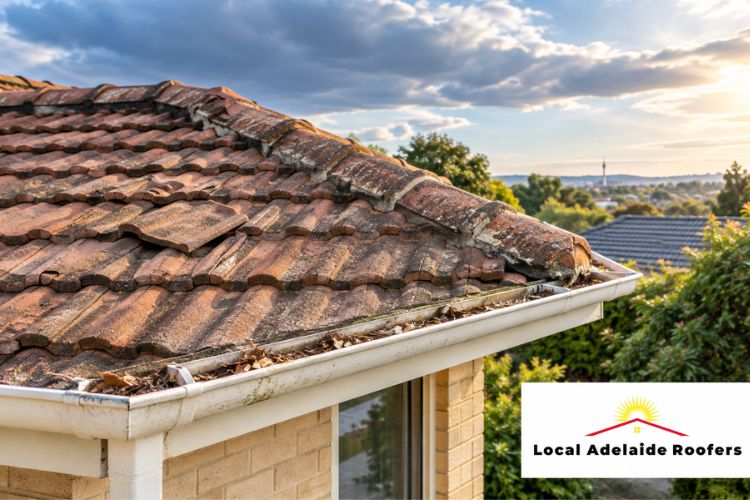
Roof damage is not always obvious from the street. A small ceiling stain, a loose tile or rust around a metal roof fixing can be an early warning that water is getting where it should not. Spotting changes early helps Adelaide homeowners arrange the right repair before moisture affects ceilings, insulation or timber. If you are comparing Adelaide Roofing Services, look for a roofer who investigates the cause—not just the visible symptom.
Also Read: How Roofing Materials Can Affect Heat Inside Your Home
1. Water stains, peeling paint or a musty smell indoors
Brown marks on ceilings, bubbling paint, damp cornices, mould or a persistent musty odour can indicate moisture entering the roof space. The leak may not sit directly above the stain: water can travel along roof framing, valleys or flashings before appearing inside. Plumbing leaks and condensation can cause similar symptoms, so an inspection should establish the source rather than assume every stain is a roof defect. Persistent dampness should not be ignored; Australian health guidance recommends finding and correcting the source of excess moisture.
2. Cracked, missing or displaced roof tiles
From the ground, look for gaps in a tiled roof, uneven rows, broken tile fragments in gutters or tiles that appear to have shifted after strong wind. A damaged tile can expose the layers beneath it and allow water to enter during rain. One visible defect does not necessarily mean the whole roof needs replacing, but neighbouring tiles, the underlay and nearby ridge or valley areas may also need checking.
3. Loose ridge caps or crumbling mortar
Ridge caps cover the roof’s highest joins. Cracked or missing mortar, a cap that looks raised or out of line, or small pieces of mortar collecting in gutters can indicate that the ridge line is deteriorating. Because ridge capping helps protect joins from weather, movement or failed bedding should be assessed before the next period of heavy rain or wind. Avoid trying to press a cap back into place yourself.
4. Rust, loose fixings or lifted sheets on a metal roof
On a metal roof, watch for corrosion around fasteners and sheet joins, peeling protective coatings, loose-looking screws, lifted sheet edges or water marks beneath roof lines. Damaged washers, fixings or flashing can create entry points for rain. Coastal exposure and standing debris may accelerate corrosion in some locations, but rust alone does not prove that a sheet must be replaced; the extent and position of the damage matter.
5. Gaps or deterioration around flashings and valleys
Flashings help direct water around joins and penetrations such as walls, chimneys, skylights and vents. Valleys carry water off adjoining roof sections. Rust, lifted edges, cracked seals, debris build-up or staining near these areas can point to a vulnerable detail. These faults can be difficult to diagnose from the ground, and covering a suspected gap with a surface sealant may not fix the underlying drainage or installation problem.
6. Gutters that overflow, sag or pull away
Overflow in ordinary rain, water spilling behind a gutter, sagging sections, leaking joints or downpipes that do not drain properly deserve attention. Leaves and debris are common causes, but a damaged gutter, poor fall or roof-drainage issue may also be involved. South Australian State Emergency Service advice includes clearing gutters, downpipes and drains as part of storm preparation. If blockages return quickly or water appears inside the eaves, ask for the roof edge and drainage system to be checked together.
7. New damage after a storm—or a leak that keeps returning
After strong wind, hail or heavy rain, look from the ground for displaced tiles, dented or lifted sheets, fallen branches and damaged gutters. Also check indoors for new stains or damp smells over the following days. A leak that returns after a previous patch may mean the original entry point was missed, water is travelling from elsewhere, or more than one defect is present. Take photos from a safe location and note when the water appears; do not climb onto the roof to investigate.
When should you arrange urgent help?
Arrange prompt professional assessment if water is actively entering the home, a ceiling is bulging or sagging, roof materials have shifted significantly, or damage is worsening after a storm. Keep people away from a sagging ceiling and do not touch wet light fittings or electrical equipment. If there is immediate danger, call emergency services. For serious storm or flood assistance in South Australia, the SES advises calling 132 500.
What can you check safely before calling a roofer?
- Photograph visible damage from the ground; use binoculars or a zoom lens if helpful.
- Record which room shows moisture, when it appears and whether it follows rain or wind.
- Check accessible ceilings and walls for fresh stains, peeling paint or musty odours.
- Tell the roofer about earlier repairs, roof type and any recent storm or tree impact.
Do not walk on roof tiles or metal sheeting, and do not use a ladder or enter a roof cavity if conditions are unsafe. SafeWork SA guidance on working at heights highlights the need to control fall risks; roof-level inspection and repairs are best left to suitably equipped professionals.
Repair, restoration or replacement?
A localised fault—such as a broken tile, failed flashing or isolated gutter joint—may be repairable. Widespread corrosion, repeated leaks, deterioration across multiple roof areas or ongoing problems after earlier repairs may justify a broader restoration or replacement assessment. The right choice depends on the roof’s overall condition, not one symptom alone. Ask the roofer to explain the cause, show you the affected area where practical, outline repair options and provide a written quote.
If stains are spreading, tiles have shifted or a leak keeps returning, arrange an inspection before the next downpour. Local Adelaide Roofers provides roof assessments and Roof Leak Repairs Adelaide for tile and metal roofing, with recommendations based on the condition of the roof. For broader roof concerns, discuss whether a targeted repair or a more comprehensive assessment is appropriate.
Frequently asked questions
Can a roof leak appear far from the actual damage?
Yes. Water can travel along roof components before becoming visible on a ceiling or wall. An inspection should trace the moisture path and check likely entry points instead of relying on the indoor stain alone.
Should I climb onto the roof to check for damage?
No. Roof surfaces can be slippery, fragile or unstable, particularly after bad weather. Check from the ground and arrange a professional inspection for anything that requires roof access.
Do a few cracked tiles mean I need a new roof?
Not necessarily. Localised damage may be repairable, while widespread deterioration or recurring leaks may call for a restoration or replacement assessment. The decision should follow an inspection of the roof’s overall condition.
Also Read: Top Qualities to Look for in Local Roofing Contractors Adelaide
Blog Development Credits
This blog was a team effort fueled by smart ideas. Local Adelaide Roofers picked the topic. Most content was crafted using tools like ChatGPT and Google Gemini.