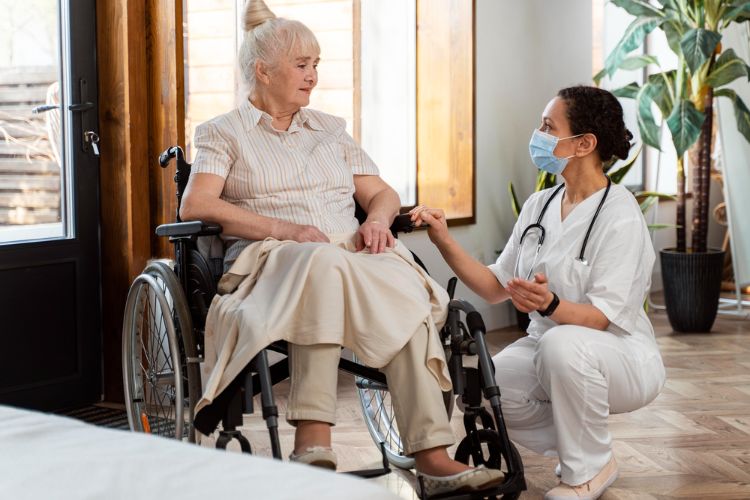
Divinus Care understands something many families and healthcare planners gradually realize—elder care is not just about assistance; it’s about dignity, safety, and emotional wellbeing. As cities grow busier and families become more mobile, professional caregiving has emerged as a crucial support system for aging populations.
In urban environments like Kolkata, families increasingly rely on professional support such as Elder Care Services In Kolkata to ensure their loved ones receive consistent medical attention and companionship. At the center of these services are trained caregivers—individuals who combine clinical understanding with empathy, patience, and everyday practicality.
But what exactly makes trained caregivers so vital in modern elder care? Let’s explore their role from both a family perspective and a healthcare service provider’s viewpoint.
The Evolving Landscape of Elder Care
India’s population is aging steadily. According to the Census of India, the senior citizen population is projected to cross 300 million by 2050. This demographic shift has created a growing demand for structured elderly care solutions.
Traditionally, family members managed elderly support at home. Today, however, several factors—professional commitments, nuclear family structures, and medical complexity—make professional caregiving services more essential than ever.
This is where trained caregivers bridge the gap between medical care, emotional companionship, and daily living assistance.
Core Responsibilities of Trained Caregivers
Modern caregivers perform far more than basic assistance. They provide a structured approach to elderly wellbeing, combining healthcare awareness with daily support.
Medical Monitoring and Health Support
Many seniors live with chronic conditions such as diabetes, arthritis, or heart disease. Trained caregivers help monitor vital signs, medication schedules, and health changes.
- Ensuring medications are taken correctly
- Monitoring blood pressure, glucose levels, and mobility
- Communicating health updates to family members and doctors
- Supporting post-hospitalization recovery
Research from the World Health Organization highlights that consistent health monitoring significantly reduces hospital readmission rates among elderly patients.
Assistance with Daily Activities
Seemingly simple tasks can become difficult with age. Caregivers provide structured assistance while preserving independence.
- Bathing, grooming, and dressing
- Meal preparation and nutrition monitoring
- Mobility assistance and fall prevention
- Light housekeeping and routine support
For many families, this practical support becomes the difference between safe aging at home and frequent medical complications.
Emotional and Social Support
often overlooked aspect of elder care is emotional wellbeing. Loneliness among seniors is a growing concern worldwide.
A study published by the National Institute on Aging suggests that prolonged social isolation can increase risks of cognitive decline and depression.
Trained caregivers provide companionship that goes beyond basic supervision:
- Engaging seniors in conversations and hobbies
- Encouraging light physical activity
- Supporting mental stimulation and memory exercises
- Providing reassurance and emotional stability
Emergency Preparedness and Rapid Response
Medical emergencies rarely arrive with a warning. A sudden fall, breathing difficulty, or unexpected health change can occur within minutes.
Professional caregivers are trained to recognize warning signs early and respond promptly. When required, they coordinate services like Emergency Medical Service Kolkata to ensure immediate treatment and hospital coordination.
This quick response capability often prevents minor health issues from becoming serious complications.
Why Businesses and Families Value Professional Caregivers
From a healthcare provider’s perspective, trained caregivers play an operational role that extends beyond patient care. They improve service quality, reduce risk, and enhance client satisfaction.
Key Advantages of Professional Caregivers
- Consistency in Care
Professional caregivers follow structured routines, ensuring seniors receive predictable and reliable support.
- Better Communication
Caregivers often act as a communication bridge between families, doctors, and care providers.
- Improved Safety
Training in mobility support and fall prevention significantly reduces accident risks.
- Personalized Support
Each senior has unique needs, and trained caregivers adapt their approach accordingly.
For service providers offering home healthcare services or senior citizen care, trained caregivers essentially represent the human face of the brand.
The Future of Elder Care Services
Technology is certainly transforming healthcare—remote monitoring, digital consultations, and smart medical devices are becoming common. However, the human element remains irreplaceable.
Even the most advanced medical technology cannot replicate empathy, reassurance, or the simple comfort of a compassionate caregiver sitting beside an elderly person.
This is why trained caregivers will continue to play a central role in in-home senior care, geriatric support services, and community healthcare programs in the coming decades.
Frequently Asked Questions
What qualifications should a trained caregiver have?
Professional caregivers typically receive training in first aid, elderly health monitoring, mobility support, and emergency response. Many also undergo certification in geriatric care and basic nursing assistance.
How do caregivers improve elderly quality of life?
They provide medical monitoring, daily assistance, emotional companionship, and safety supervision—allowing seniors to maintain independence while receiving reliable support.
When should families consider professional elder care services?
Families should consider professional care when seniors experience mobility challenges, chronic health conditions, memory issues, or require regular medical supervision.
Can caregivers handle medical emergencies?
Yes. Trained caregivers are equipped to recognize health risks quickly and coordinate immediate medical help, including hospital transfers or emergency healthcare support.
Read More >>> A Simple Guide to Health Care for Senior Citizens
Final Thoughts
Modern elder care is no longer limited to occasional assistance—it has evolved into a structured system that blends healthcare expertise with compassionate human interaction. Trained caregivers stand at the heart of this transformation. For families, they bring reassurance; for healthcare providers and service businesses, they represent reliability, professionalism, and trust.
As the demand for senior citizen care continues to grow, investing in skilled caregiving professionals will remain one of the most meaningful ways to ensure seniors live with comfort, dignity, and safety.