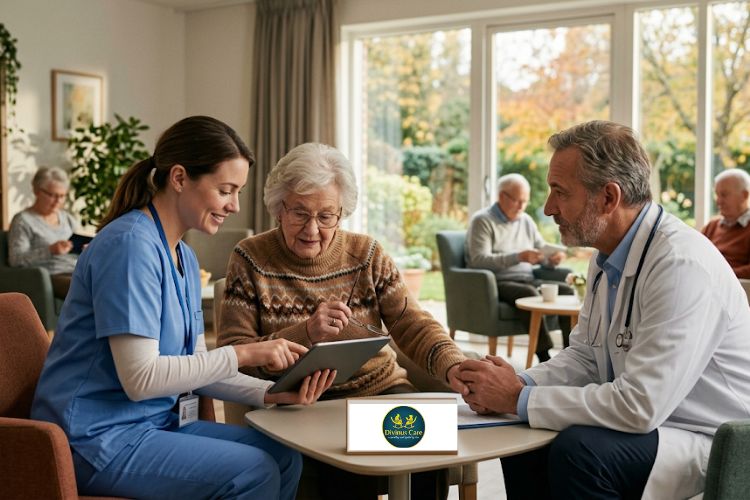
Divinus Care has quietly observed a shift in how families and businesses approach senior well-being. The question is no longer “How do we treat illness?” but rather “How do we tailor care to each individual?” That subtle change is reshaping the entire ecosystem of elderly support, making personalized care more than just a trend—it’s becoming essential.
Today, Health Care For Senior Citizens is evolving beyond routine checkups. It’s about creating individualized plans that consider lifestyle, medical history, emotional well-being, and even personal preferences. For both B2B and B2C business owners, this shift opens up new opportunities to deliver meaningful, high-impact services.
Why Personalization Matters More Than Ever
Let’s be honest—no two seniors age the same way. Some remain active well into their 80s, while others may need constant assistance much earlier. A one-size-fits-all approach simply doesn’t work anymore.
According to the World Health Organization, the global population aged 60 and above is expected to double by 2050. This surge demands smarter, more adaptable care models.
Key Drivers Behind Personalized Care
- Chronic Disease Management: Tailored plans help manage conditions like diabetes, hypertension, and arthritis more effectively.
- Emotional Well-being: Personalized interaction reduces loneliness and improves mental health outcomes.
- Preventive Focus: Early interventions based on individual risk factors can prevent major health issues.
What Does Personalized Senior Care Look Like?
Think of it as a custom-built roadmap. Instead of generic treatment, care providers design services around the individual’s needs.
Core Elements of a Personalized Care Plan
- Health Assessment: Detailed evaluation of medical history, mobility, and lifestyle.
- Customized Care Routine: Daily schedules for medication, nutrition, and exercise.
- Dedicated Caregivers: Assigning trained professionals who understand the patient’s preferences.
- Technology Integration: Use of health monitoring devices and telemedicine.
This approach isn’t just beneficial for families—it’s a strategic advantage for service providers looking to differentiate themselves in a competitive market.
Business Opportunities in Personalized Elder Care
For B2B and B2C business owners, personalized care isn’t just compassionate—it’s profitable. As demand grows, businesses that adapt quickly stand to gain long-term loyalty and trust.
Midway through this transformation, many providers are collaborating with Elder Care Services In Kolkata to build integrated solutions that combine medical expertise with home-based support.
Emerging Trends You Shouldn’t Ignore
- Home Healthcare Services: Seniors increasingly prefer care in familiar environments.
- Digital Health Platforms: Remote monitoring and virtual consultations are on the rise.
- Specialized Geriatric Care: Focused services for dementia, Alzheimer’s, and post-surgery recovery.
Interestingly, a report by CDC highlights that personalized interventions can significantly reduce hospital readmissions among older adults. That’s not just good care—it’s cost-effective care.
Challenges in Delivering Personalized Care
Of course, it’s not all smooth sailing. Personalization requires resources, training, and a mindset shift.
Common Barriers
- Workforce Training: Skilled caregivers are essential but often in short supply.
- Cost Concerns: Customized services can be perceived as expensive.
- Technology Adoption: Not all seniors are comfortable with digital tools.
However, businesses that invest in training and user-friendly solutions often overcome these hurdles faster than expected.
How to Build a Scalable Personalized Care Model
Here’s where strategy meets execution. Whether you’re a startup or an established provider, scaling personalized care requires a structured approach.
Actionable Steps for Business Owners
- Leverage Data: Use patient data to create predictive care models.
- Train Continuously: Invest in caregiver education and soft skills.
- Partner Smartly: Collaborate with healthcare professionals and tech providers.
- Focus on Experience: Personal touches—like remembering preferences—make a huge difference.
In many ways, personalization is less about complexity and more about attention to detail.
FAQs
1. What is personalized health care for senior citizens?
It refers to customized care plans designed around an individual senior’s medical history, lifestyle, and preferences, ensuring more effective and comfortable treatment.
2. Why is personalized care important for seniors?
Because it addresses unique health needs, improves quality of life, and reduces the risk of complications through targeted interventions.
3. Is personalized senior care expensive?
While it may seem costly initially, it often reduces long-term expenses by preventing hospitalizations and improving overall health outcomes.
4. How can businesses benefit from offering personalized care?
Businesses can build stronger client relationships, increase retention, and stand out in a competitive healthcare market.
Read More: Top Features to Look for in Emergency Medical Services in Kolkata
Final Thoughts
Personalized health care isn’t just a service upgrade—it’s a philosophy shift. For businesses, it’s an opportunity to lead with empathy while building sustainable growth. For families, it’s reassurance that their loved ones are truly understood. And perhaps that’s the real value—care that feels human again.