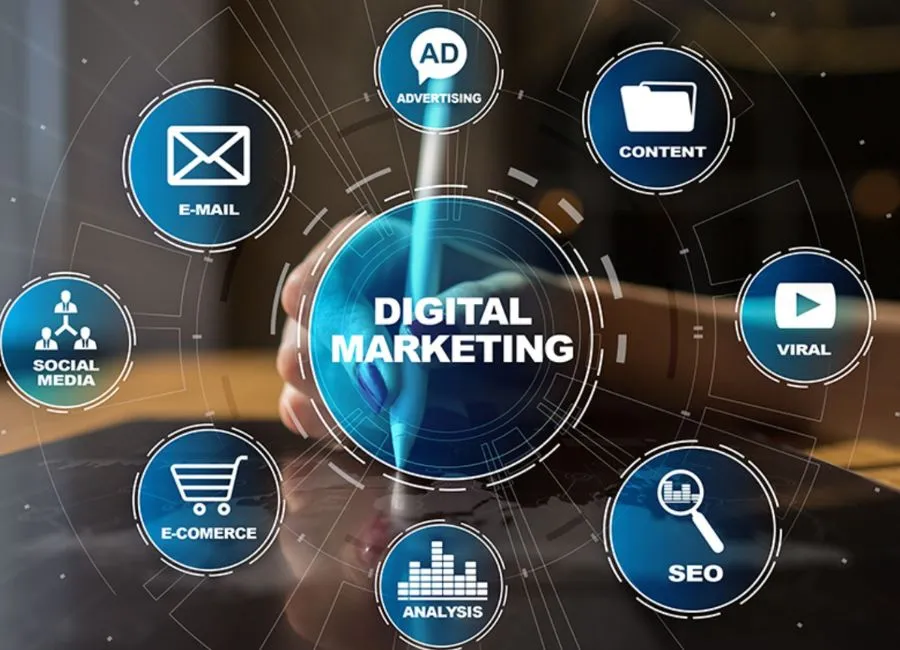
Marketing is entering a fascinating new chapter. For years, brands focused on reaching people through search engines, social media feeds, and advertising networks. Today, however, AI systems are becoming active participants in the customer journey. From recommendation engines to conversational search assistants, intelligent platforms are influencing buying decisions long before a customer visits a website. This shift is giving rise to AI-native marketing—a model built not just for human audiences, but also for the algorithms guiding them.
Businesses embracing this transformation are discovering new opportunities for growth. Whether it’s a startup or a Best Digital Marketing Company Hyderabad, the challenge is no longer simply attracting clicks. The goal is becoming the most relevant, trusted, and discoverable brand across AI-powered ecosystems.
What Is AI-Native Marketing?
AI-native marketing refers to strategies designed around artificial intelligence from the very beginning rather than adding AI tools as an afterthought. Instead of relying solely on traditional campaigns, brands use predictive analytics, automation, conversational experiences, and machine learning insights to shape every stage of the customer journey.
According to research from McKinsey & Company, organizations adopting AI across business functions are increasingly reporting measurable revenue gains and operational improvements. This suggests that AI is evolving from a support tool into a core business driver.
Why Traditional Marketing Models Are Losing Momentum
The old marketing playbook assumed customers would move through a predictable funnel. They would discover a brand, compare options, visit a website, and eventually convert. Modern consumers rarely follow such a neat path.
Today, AI assistants answer questions instantly. Recommendation engines suggest products before users search for them. Personalized feeds curate content based on behavioral patterns. As a result, visibility across intelligent platforms matters as much as visibility on search engines.
Three Major Changes Driving This Shift
- Predictive Discovery: AI platforms anticipate user interests before explicit searches occur.
- Conversational Search: Users increasingly ask complete questions instead of typing fragmented keywords.
- Personalized Experiences: Every customer sees a slightly different digital experience based on behavior and context.
Brands that adapt early position themselves where future demand is created rather than where existing demand already exists.
The Core Components of AI-Native Marketing
Building an AI-driven growth strategy requires more than installing automation software. Successful organizations integrate intelligence throughout their digital ecosystem.
1. Predictive Audience Intelligence
Modern AI tools analyze patterns that humans often miss. They identify emerging customer interests, predict purchasing behavior, and uncover hidden opportunities. Instead of reacting to market changes, marketers can proactively prepare for them.
2. Content Designed for AI Discovery
Search engines are no longer the only gatekeepers. AI models increasingly summarize, recommend, and surface information directly to users. This means content should emphasize clarity, expertise, structured information, and semantic relevance.
Many organizations seeking scalable growth partner with the Best Digital Marketing Company In India to align content strategies with evolving AI search behavior.
3. Automated Customer Engagement
AI-powered chatbots, recommendation systems, and dynamic personalization tools help brands maintain meaningful interactions at scale. The result is faster response times and more relevant customer experiences.
How AI-Native Marketing Creates Sustainable Growth
One common misconception is that AI simply increases efficiency. While that’s certainly true, its bigger impact lies in creating smarter growth systems.
- Better Decision-Making: Real-time insights reduce guesswork.
- Higher Conversion Rates: Personalized experiences improve engagement.
- Improved Customer Retention: Predictive models identify opportunities to strengthen loyalty.
Research published by Salesforce consistently highlights how high-performing marketing teams leverage AI and data-driven personalization more extensively than lower-performing counterparts.
The Human Element Still Matters
Despite all the excitement around artificial intelligence, successful marketing remains deeply human. AI can identify trends, automate workflows, and process enormous datasets. What it cannot fully replicate is emotional intelligence, brand storytelling, and cultural understanding.
The strongest AI-native strategies combine machine efficiency with human creativity. Think of AI as an exceptional navigator rather than the driver. It can reveal the best route, but people still determine the destination.
Signs of a Balanced AI Marketing Strategy
- Data informs decisions, but humans validate them.
- Automation enhances customer experiences without making them feel robotic.
- Content prioritizes authenticity alongside optimization.
- Technology supports creativity rather than replacing it.
FAQ
What is AI-native marketing?
AI-native marketing is a strategy where artificial intelligence is integrated into planning, content creation, customer engagement, analytics, and optimization from the beginning rather than being added later.
How does AI improve marketing performance?
AI helps marketers analyze customer behavior, predict trends, automate repetitive tasks, personalize experiences, and make more informed decisions based on real-time data.
Will AI replace digital marketers?
No. AI enhances efficiency and insight generation, but human creativity, strategic thinking, emotional understanding, and storytelling remain essential for effective marketing.
Why is AI-native marketing important for future growth?
As AI systems increasingly influence discovery and purchasing decisions, businesses that optimize for AI-powered ecosystems gain a competitive advantage in visibility, engagement, and conversions.
Final Thoughts
AI-native marketing is not a temporary trend—it is becoming the foundation of modern digital growth. As intelligent systems play a larger role in how consumers discover, evaluate, and choose brands, organizations must rethink their strategies accordingly. The future belongs to businesses that successfully combine data-driven intelligence with authentic human connection.
Blog Development Credits:
This article was envisioned by Amlan Maiti, developed through research supported by advanced AI platforms including ChatGPT, Google Gemini, and Copilot, and further refined with SEO expertise from Digital Piloto Private Limited.