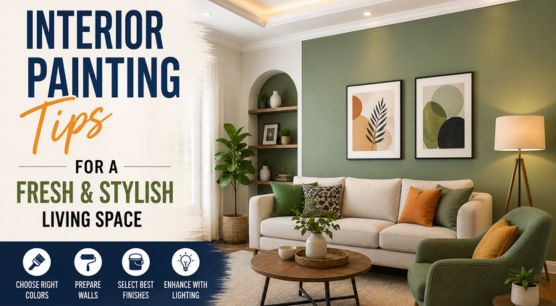
A fresh coat of paint can completely change how a home feels. The right colors, finishes, and techniques make rooms appear brighter, cleaner, larger, and more inviting without major renovation costs. Smart Interior Painting is not only about color trends; it’s about creating balance, comfort, and personality inside your living space.
Many homeowners focus only on choosing paint shades, but the real difference comes from preparation, lighting, texture, and paint finish selection. A beautifully painted room usually feels effortless, yet there’s often careful planning behind it. Even subtle changes—like warm neutrals or softer ceiling tones—can quietly transform the mood of a room.
What Makes Interior Painting Look Professional?
Professional-looking interior paintwork comes down to three things: surface preparation, color consistency, and clean finishing. Expensive paint alone will not fix uneven walls or rushed application. In fact, many DIY paint jobs fail because people underestimate preparation time.
Definition: Interior Painting
Interior painting is the process of preparing, priming, and painting indoor walls, ceilings, trim, and surfaces to improve appearance, durability, and atmosphere within a home or commercial space.
The best interiors often use paint strategically rather than excessively. Designers frequently rely on contrast, texture, and lighting instead of bold colors everywhere.
Also Read: Effective Strategies to Highlight Your Home’s Architectural Details
How to Choose the Right Paint Colors
One of the biggest mistakes homeowners make is selecting paint directly from tiny color cards under store lighting. Paint behaves differently depending on natural light, room size, furniture, and flooring.
Step-by-Step Color Selection Process
- Study Natural Light: North-facing rooms usually feel cooler, while south-facing rooms appear warmer.
- Test Paint Samples: Paint small sections on multiple walls and observe them throughout the day.
- Match Existing Elements: Flooring, curtains, furniture, and wood finishes should complement the wall color.
- Choose Mood First: Calm spaces often use muted tones, while social spaces can handle richer colors.
- Use Accent Colors Carefully: One bold wall often works better than four.
Soft whites, earthy neutrals, muted greens, and warm beige tones remain popular because they create flexibility. Trendy colors can look exciting initially but may feel overwhelming after a few months.
Best Paint Finishes for Different Rooms
Paint finish matters almost as much as color. The wrong sheen can highlight wall imperfections or make maintenance difficult.
- Matte Finish: Best for bedrooms and ceilings because it hides imperfections well.
- Eggshell Finish: Popular for living rooms due to its soft texture and moderate durability.
- Satin Finish: Ideal for kitchens and hallways where cleaning is frequent.
- Semi-Gloss: Commonly used on trims, doors, and cabinets for durability.
In real homes, practicality usually wins over design trends. For example, families with children or pets often benefit more from washable satin finishes than delicate matte walls.
Why Preparation Matters More Than Paint Brand
Many experienced painters will tell you this quietly: preparation is where most of the quality lives. Sanding, patching, cleaning, and priming often take longer than painting itself.
Skipping wall preparation may save a few hours initially, but imperfections become painfully obvious once fresh paint dries under natural light.
Essential Pre-Painting Checklist
- Repair cracks and nail holes
- Clean grease or dust from walls
- Sand rough surfaces evenly
- Use painter’s tape around trims
- Apply primer on patched areas
- Protect furniture and flooring properly
Interestingly, professionally painted homes usually feel “cleaner” because smooth walls reflect light more evenly.
How Lighting Changes Paint Appearance
Lighting changes everything. A color that appears creamy during the afternoon may look gray at night under LED bulbs. This is why designers rarely finalize paint colors without testing them under multiple lighting conditions.
Warm lighting tends to soften beige, tan, and earthy tones, while cool white lighting can make blues and grays appear sharper. Living rooms with large windows generally allow more flexibility, but darker spaces often benefit from lighter reflective shades.
Should You Combine Interior and Exterior Updates?
Sometimes homeowners refresh indoor spaces but ignore the exterior completely. In reality, coordinated upgrades often create a stronger visual impact and improve overall property value.
That’s why many professionals recommend planning House Painting projects alongside interior updates, especially during larger renovations. A consistent style between indoor and outdoor spaces creates a more polished appearance overall.
Common Interior Painting Mistakes to Avoid
Even experienced homeowners occasionally make avoidable painting mistakes. Most issues happen because people rush decisions or underestimate drying time.
Most Common Painting Errors
- Using too many bold colors in one area
- Ignoring wall texture before painting
- Skipping primer to save money
- Choosing trendy colors without testing them
- Using cheap brushes and rollers
- Applying second coats too early
Surprisingly, one of the most expensive mistakes is repainting too soon because the original color choice felt trendy rather than timeless.
How Often Should Interior Walls Be Repainted?
Most living spaces benefit from repainting every five to seven years, although high-traffic areas may need attention sooner. Kitchens, hallways, and children’s rooms typically experience faster wear due to moisture, fingerprints, and cleaning.
Good-quality paint and proper maintenance can significantly extend the lifespan of painted surfaces.
FAQs
What is the best color for making a room look bigger?
Light neutral shades such as off-white, soft gray, or warm beige can make rooms feel more open because they reflect natural light effectively.
Is primer necessary before interior painting?
Yes, primer helps paint adhere properly, improves durability, and creates a more even finish, especially on repaired or stained walls.
Which paint finish is easiest to clean?
Satin and semi-gloss finishes are generally easier to clean because they resist moisture and stains better than matte finishes.
How long does interior paint usually last?
Most interior paint lasts between five and seven years depending on room usage, wall preparation, and paint quality.
Can dark paint colors work in small rooms?
Yes, dark colors can work beautifully in small spaces when balanced with good lighting and lighter furniture. They often create depth and warmth instead of making rooms feel smaller.
Conclusion
Interior painting is one of the simplest ways to refresh a living space without major construction or excessive expense. The difference usually comes from thoughtful planning rather than dramatic colors. When homeowners focus on preparation, lighting, finish selection, and balance, painted spaces tend to feel timeless instead of temporary.
Also Read: Fresh Paint Trends Redefining Modern Homes
Blog Development Credits:
This blog was thoughtfully conceptualized by Soumyajit Sardar, crafted with the help of advanced AI platforms like ChatGPT, Gemini, and Copilot. Final editing and SEO expertise were provided by Mister Paint.