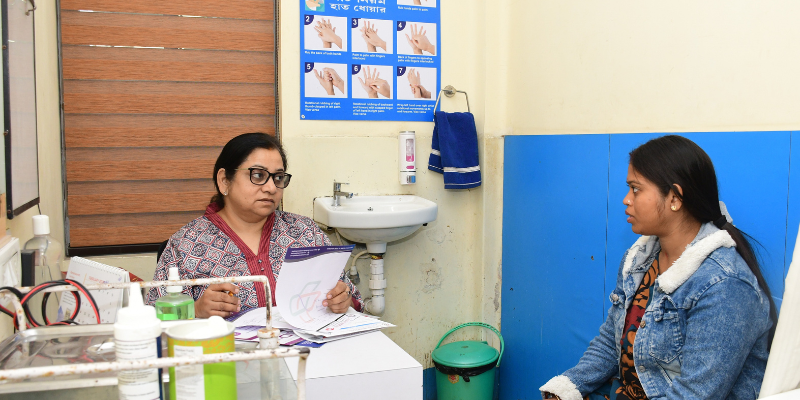
Walk into any modern hospital, and you’ll notice something subtle yet powerful an invisible system working constantly to keep patients safe. From infection control to digital monitoring, patient safety has evolved into a science of its own. But what really defines high safety standards today, especially in leading healthcare facilities? Let’s explore.
In many private hospitals in North Kolkata, safety is no longer just about hygiene it’s a multi-layered system involving trained professionals, advanced technology, and strict protocols. Patients today are more aware, and hospitals are stepping up in response.
Why Patient Safety Matters More Than Ever?
Healthcare has become more complex over the years. With advanced treatments, surgeries, and medications, the margin for error has narrowed significantly. According to the World Health Organization (WHO), unsafe medical care causes millions of preventable injuries globally each year. That’s a sobering thought and a strong reason why hospitals prioritize safety systems.
Interestingly, patient safety isn’t just about avoiding mistakes. It’s about creating an environment where risks are anticipated, minimized, and continuously monitored.
Core Patient Safety Standards in Modern Hospitals
1. Strict Infection Control Protocols
Hospitals today follow rigorous infection prevention measures. You’ll often see:
-
- Regular sanitization of high-touch surfaces
-
- Mandatory hand hygiene for staff and visitors
-
- Isolation wards for infectious cases
These steps might seem routine, but they dramatically reduce hospital-acquired infections (HAIs), which are a major concern worldwide.
2. Advanced Patient Identification Systems
Imagine receiving the wrong medication scary, right? To avoid such errors, hospitals use:
-
- Barcode wristbands for patient identification
-
- Electronic health records (EHRs)
-
- Double-verification protocols before treatments
These systems ensure that every treatment is accurately matched to the right patient.
3. Skilled and Continuously Trained Staff
Technology helps, but people make the real difference. Leading hospitals invest heavily in staff training. Nurses and doctors undergo regular workshops on patient safety, emergency response, and updated medical guidelines.
Technology: The Silent Guardian of Safety
Modern healthcare relies heavily on technology to minimize human error. For instance, smart monitoring systems can track a patient’s vitals in real time and alert doctors instantly if something seems off.
Here are some tech-driven safety features commonly used:
-
- Automated medication dispensing systems
-
- AI-assisted diagnostic tools
-
- Real-time patient monitoring devices
According to a report by NCBI, the use of digital health technologies has significantly reduced clinical errors in many hospitals worldwide. It’s fascinating how technology quietly ensures safety behind the scenes.
Patient-Centric Safety Practices
Safety isn’t just the hospital’s responsibility patients play a role too. Leading institutions encourage active patient participation, which adds an extra layer of protection.
What Patients Are Encouraged to Do:
-
- Ask questions about treatments and medications
-
- Verify their identity before procedures
-
- Report unusual symptoms immediately
This collaborative approach transforms safety into a shared responsibility rather than a one-sided effort.
Balancing Quality and Affordability
There’s often a misconception that high safety standards come at a high cost. While advanced systems do require investment, many hospitals strive to balance quality with affordability. For example, an affordable Hospital in Central Kolkata may implement cost-effective safety measures without compromising care.
It’s not always about expensive equipment; sometimes, simple practices like proper communication and teamwork make the biggest difference.
Signs of a Safety-Focused Hospital
If you’re choosing a hospital, here are a few indicators that suggest strong patient safety standards:
-
- Accreditation from recognized healthcare bodies
-
- Transparent communication about procedures
-
- Clean, well-maintained infrastructure
-
- Availability of emergency response systems
These might seem like small details, but together, they paint a picture of a hospital that truly prioritizes patient well-being.
Frequently Asked Questions
1. What are patient safety standards in hospitals?
Patient safety standards are guidelines and practices designed to prevent errors, reduce risks, and ensure safe healthcare delivery for patients.
2. How do hospitals prevent medical errors?
Hospitals use digital records, double-check systems, staff training, and advanced monitoring tools to minimize errors during treatment.
3. Are private hospitals safer than government hospitals?
Safety depends on the hospital’s protocols and infrastructure. Many private hospitals invest heavily in modern systems, but safety standards vary across institutions.
4. Can patients contribute to their own safety?
Yes, patients can ask questions, verify their identity, and stay informed about treatments to actively participate in their own safety.
Final Thoughts
Patient safety isn’t a single rule it’s a culture. The best hospitals don’t just follow guidelines; they live by them every day. From technology to teamwork, every layer matters. And as patients become more informed, the demand for safer healthcare will only continue to grow.
Audio Version: Click Here