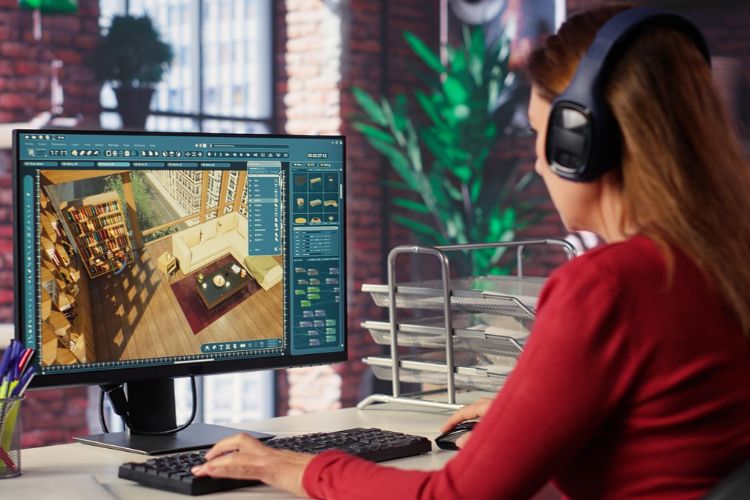
MAAC Behala has become a well-known destination for aspiring digital artists who want to enter the world of film, advertising, and OTT production. But what actually makes a VFX professional stand out? Often, the answer lies in the tools they master. A professional Vfx Course In Kolkata focuses heavily on industry-standard software that powers modern visual storytelling.
From blockbuster movies to product advertisements and corporate marketing videos, visual effects are everywhere. According to a report by the Statista Media & Entertainment Research, global demand for digital visual effects continues to grow due to streaming platforms and digital advertising. For business owners and creative professionals alike, understanding these tools can unlock powerful creative opportunities.
Why Learning VFX Software Matters in the Digital Economy
Visual effects are no longer limited to Hollywood films. Businesses use them for product launches, immersive brand storytelling, and high-impact marketing campaigns. When you enroll in a professional VFX program, you learn the software that major studios and production houses rely on daily.
In fact, many modern VFX pipelines involve multiple tools working together. Each application specializes in a particular stage of production—modeling, compositing, animation, or simulation.
Key Reasons Businesses Value VFX Skills
- Stronger marketing visuals: High-quality visuals help brands stand out in crowded markets.
- Engaging digital storytelling: Visual effects can simplify complex product demonstrations.
- Cost-efficient production: Digital effects often replace expensive physical shoots.
Learning the right tools gives professionals the flexibility to work in film studios, advertising agencies, gaming companies, or even corporate marketing teams.
Essential Software You Will Master in a VFX Course
Most professional VFX training programs introduce students to multiple tools used across the visual effects production pipeline. Let’s explore some of the most important ones.
1. Autodesk Maya – The Backbone of 3D Animation
Autodesk Maya is widely used in film and television production for 3D modeling, animation, and rendering. Many iconic scenes in blockbuster movies rely on Maya’s powerful animation tools.
- Character animation for films and games
- 3D environment creation
- Lighting and rendering for cinematic scenes
For businesses producing product visuals or promotional animations, Maya helps create realistic 3D assets that attract audiences.
2. Adobe After Effects – Motion Graphics Powerhouse
Adobe After Effects is a favorite among video editors and motion graphics artists. It’s commonly used to add dynamic effects, animated text, and digital enhancements to video footage.
Marketing teams often rely on After Effects for:
- Animated brand intros
- Product demonstration videos
- Social media advertising visuals
Learning After Effects is particularly valuable for business owners who want to create engaging promotional content.
3. Nuke – Professional Compositing for Film
Nuke is one of the most powerful compositing tools used in the visual effects industry. It allows artists to combine multiple layers of footage, graphics, and effects into a seamless final scene.
Hollywood studios frequently use Nuke because of its advanced node-based workflow. According to insights from the Visual Effects Society, node-based compositing systems provide greater flexibility when handling complex scenes.
4. Houdini – Advanced Simulations and Effects
If you’ve ever seen realistic explosions, smoke, water, or destruction effects in movies, chances are Houdini played a role. This software specializes in procedural simulations that mimic real-world physics.
- Fire and explosion effects
- Water and fluid simulations
- Complex environmental effects
These capabilities are valuable not only for films but also for immersive advertising and gaming experiences.
The Role of Professional Training
While software tutorials are widely available online, structured learning makes a huge difference. A well-designed program at a professional Multimedia Institute In Kolkata typically combines software training with practical project work.
Students often learn through real-world production workflows, including:
- Working on simulated film or advertising projects
- Collaborating with teams similar to real studio environments
- Building portfolios for animation studios and creative agencies
This approach ensures graduates understand both the creative and technical sides of visual effects.
Additional Skills That Complement VFX Software
Modern VFX professionals rarely rely on software alone. Successful artists combine technical knowledge with creative storytelling and design principles.
Important Complementary Skills
- Digital storytelling: Turning visual ideas into engaging narratives.
- Video editing fundamentals: Understanding pacing and transitions.
- Creative problem solving: Finding visual solutions for complex scenes.
For business owners, these skills are especially valuable because they allow teams to produce marketing visuals in-house without relying entirely on external production agencies.
FAQs About VFX Courses
1. What software is most important in a VFX course?
Industry-standard software typically includes Autodesk Maya, Adobe After Effects, Nuke, and Houdini. These tools cover animation, compositing, and visual simulation.
2. Can business owners benefit from learning VFX tools?
Yes. Understanding VFX software helps business owners create high-quality promotional videos, product demonstrations, and digital advertising campaigns.
3. How long does it take to learn VFX software?
Most professional courses range from 6 months to 18 months depending on the depth of training and the number of tools included.
4. Is VFX useful beyond film and television?
Absolutely. VFX skills are widely used in advertising, gaming, digital marketing, corporate presentations, and even virtual reality experiences.
Read More >> The Growing Demand for Animation Classes in Kolkata
Final Thoughts
Visual effects technology continues to reshape how stories are told and how brands communicate with audiences. By mastering industry-standard tools like Maya, After Effects, Nuke, and Houdini, professionals can unlock exciting opportunities across entertainment, marketing, and digital media. For anyone interested in creative technology, learning these tools is often the first step toward a dynamic and future-ready career.