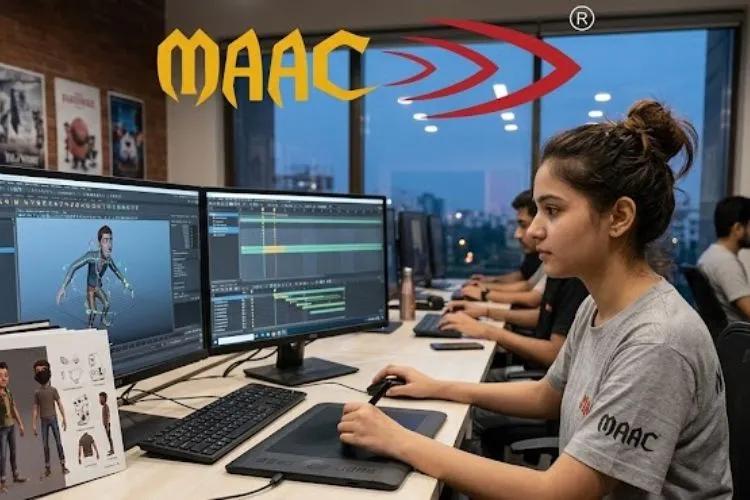
Building a portfolio in an animation academy means creating a collection of your best work that clearly shows your skills, creativity, and growth. It’s not about quantity—it’s about quality, consistency, and storytelling. At an Animation Academy in Kolkata, students are guided step-by-step to turn classroom projects into professional portfolio pieces that impress recruiters and studios.
A strong portfolio is your real resume in the animation industry. Degrees matter less than what you can actually create. That’s why understanding how to build it properly is critical.
What is an Animation Portfolio?
Definition
An animation portfolio is a curated collection of your best creative work—such as animations, character designs, storyboards, or VFX shots—designed to showcase your skills, style, and technical ability to potential employers or clients.
Think of it as proof of your capability. It tells studios, “This is what I can do,” without needing long explanations.
Why is a Portfolio So Important in Animation?
In animation and VFX careers, your portfolio often matters more than your qualifications. Recruiters don’t just want to hear what you know—they want to see what you can create.
- Demonstrates real skills: Shows practical ability, not theory
- Builds credibility: Makes you stand out from other candidates
- Reflects your style: Highlights your unique creative identity
- Opens job opportunities: Strong portfolios attract recruiters
A weak portfolio can hold you back—even if you’ve completed a course. A strong one can fast-track your career.
Step-by-Step: How to Build a Portfolio in an Animation Academy
Step-by-Step Process
- Start with Fundamentals: Focus on basic exercises like sketching, motion, and timing
- Create Class Projects Seriously: Treat every assignment like a professional project
- Choose Your Specialization: Decide between 2D animation, 3D animation, VFX, or design
- Work on Personal Projects: Go beyond classwork to show initiative
- Refine and Edit: Keep only your best work—quality over quantity
- Get Feedback: Improve your work based on mentor and peer reviews
- Present Professionally: Organize your portfolio clearly with proper titles and descriptions
This structured approach ensures your portfolio grows with your skills, not randomly.
What Should You Include in Your Portfolio?
Many students make the mistake of adding everything they create. That’s not effective. A focused portfolio works better.
- Showreel: A short video showcasing your best animation work
- Character Designs: Demonstrates creativity and understanding of anatomy
- Storyboards: Shows storytelling ability
- 3D Models or VFX Shots: Highlights technical skills
- Personal Projects: Reflects passion and originality
Each piece should serve a purpose. If it doesn’t add value, it doesn’t belong in your portfolio.
How Training Helps in Portfolio Development
A structured course plays a big role in shaping your portfolio. For example, a 3D Animation Course in Kolkata provides guided projects, technical training, and mentorship.
This combination helps students create industry-level work instead of random practice pieces. The difference is visible in the final portfolio.
Common Mistakes to Avoid
Even talented students can weaken their portfolios by making avoidable mistakes.
- Adding too many average-quality projects
- Ignoring presentation and organization
- Copying work instead of creating original content
- Skipping feedback and revisions
- Not focusing on a specific skill area
A portfolio is judged in minutes. First impressions matter more than you think.
How to Make Your Portfolio Stand Out
Standing out is not about doing more—it’s about doing things differently and better.
- Tell a story: Each project should have a clear concept
- Show your process: Include sketches and development stages
- Focus on strengths: Highlight what you’re best at
- Keep it updated: Replace old work with improved versions
Studios don’t expect perfection. They look for potential, clarity, and growth.
Real-World Insight: What Recruiters Actually Look For
From an industry perspective, recruiters scan portfolios quickly. They look for clarity, originality, and execution.
In most cases, the first 20–30 seconds of your showreel decide whether they continue watching. That’s why your best work should always come first.
Also, consistency matters. A portfolio with a clear style and direction often performs better than one with mixed, unrelated work.
FAQs
1. How many projects should an animation portfolio have?
Ideally, 5–10 high-quality projects are enough. Focus on quality rather than quantity.
2. What is a showreel in animation?
A showreel is a short video compilation of your best animation work, usually 1–2 minutes long.
3. Can beginners create a strong portfolio?
Yes, with proper guidance and consistent practice, beginners can build impressive portfolios.
4. How important is feedback in portfolio building?
Feedback is crucial. It helps identify mistakes and improve the overall quality of your work.
5. Should I include team projects in my portfolio?
Yes, but clearly mention your role to show your individual contribution.
Read More >> Top Skills You Learn at the Best Animation Institute in Kolkata
Conclusion
Building a portfolio in an animation academy is not a one-time task—it’s a continuous process of learning, creating, and refining. The effort you put into your portfolio directly reflects your career opportunities. Focus on quality, stay consistent, and treat every project like a stepping stone toward your professional future.